INTRODUCTION
Choosing a hair cutting style can feel surprisingly difficult. You may save dozens of haircut photos, show one to your hairstylist, and still wonder whether that hair cutting style will actually suit your face, hair texture, or daily routine.
The problem is that a hair cutting style that looks amazing on someone else may not give you the same result. A blunt bob can look sleek on straight hair but behave very differently on thick waves. Layers can add movement to long hair, but the wrong amount of layering can make fine hair look thinner.
That is why choosing a hair cutting style should not be based on trends alone.
In 2026, haircut trends are moving in several directions at once. Clean, structured bobs are popular alongside long, bouncy layers, textured pixies, face-framing cuts, and softer styles that work with natural texture. Each hair cutting style creates a different shape, so understanding what works for your hair is more useful than simply copying a trending photo.
So, instead of simply giving you a list of trendy cuts, this guide answers the questions people usually have before choosing a hair cutting style.
Whether you are thinking about cutting long hair short, adding layers, trying bangs, or simply changing the shape of your current haircut, these answers will help you choose a hair cutting style that looks good and fits your lifestyle.
1. 9 Trendy haircut styles to try in 2026
There is no single best haircut for everyone. The right hair cutting style is the one that works with your face shape, hair texture, preferred length, and the amount of styling you are willing to do.
That said, several hair cutting styles stand out in 2026.
Blunt Bob
The blunt bob is one of the strongest hair cutting style choices if you want a clean, polished appearance. The ends are cut at a fairly consistent length, creating a strong outline around the face.
It can work particularly well with straight or slightly wavy hair because the clean edge is easy to see.
Choose this hair cutting style if you want:
- A neat and polished appearance
- A shorter haircut without going extremely short
- A style that makes the ends look thicker
- A modern, structured shape
Long Layers
If you love long hair but feel that it looks heavy or flat, long layers can be a better hair cutting style choice than cutting off significant length.
The layers create movement while keeping most of your overall length. They can also be combined with face-framing pieces around the front.
Choose this hair cutting style if you want:
- Movement without losing much length
- A softer appearance
- More shape around the face
- A haircut that grows out naturally
Textured Pixie
For someone ready for a dramatic change, a textured pixie is worth considering. This hair cutting style does not have to be an extremely short, rigid cut. Keeping some length and texture on top can make the haircut more flexible.
Choose this hair cutting style if you want:
- A bold short haircut
- Less hair to manage
- More attention around your facial features
- A modern, textured finish
Lob
A lob, or long bob, sits somewhere between a bob and longer hair. It is especially useful if you want a noticeable change but are not ready for a chin-length haircut.
This hair cutting style can be worn straight, wavy, tucked behind the ears, or styled with soft layers.
If you are nervous about going short, a collarbone-length lob can be an easier first step than going directly from long hair to a short bob.
2. Which hair cutting styles work best for different face shapes?
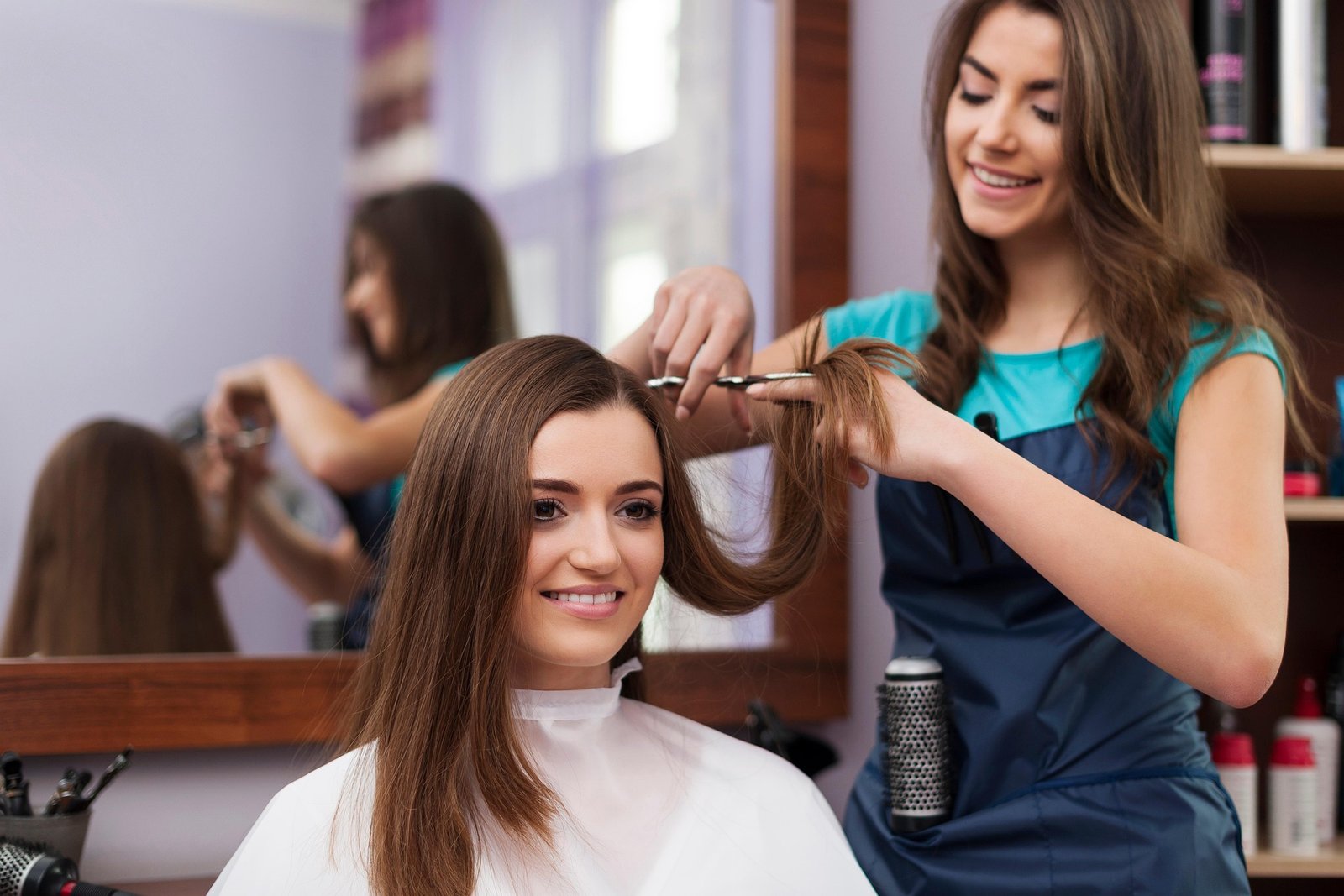
Your face shape can help you decide where your hair cutting style should create volume, length, or width.
However, face shape should be treated as a guide, not a strict rule. Your hair texture and personal preference matter just as much.
| Face Shape | Haircuts to Consider |
|---|---|
| Oval | Bobs, layers, pixies, lobs and most lengths |
| Round | Longer layers, face-framing cuts and collarbone lobs |
| Square | Soft layers, waves, textured bobs and side bangs |
| Heart | Lobs, chin-length bobs and curtain or side bangs |
| Long or oblong | Bobs, lobs, fuller layers and bangs |
| Diamond | Face-framing layers, textured bobs and side bangs |
Round face
If your face is naturally round, you may prefer a hair cutting style that adds some visual length.
Long layers and face-framing pieces that begin below the cheek area can help create a more elongated appearance. A collarbone-length lob can also be a useful option.
Square face
Square faces often have a stronger jawline. Soft layers, movement around the face, and side-swept bangs can help soften the overall appearance.
You do not have to hide your jawline, though. A sharp bob can look excellent if you want your hair cutting style to emphasize a structured face.
Long or oblong face
If your face is longer than it is wide, adding some width through the sides can create better balance.
A bob, lob, fuller layers, or bangs can work well because they visually break up the length. These options can also be adapted into a hair cutting style that matches your natural texture.
Heart-shaped face
A heart-shaped face is generally wider around the forehead and narrower toward the chin.
Lobs, chin-length styles, soft layers, and curtain or side bangs can help balance the upper and lower parts of the face.
Oval face
An oval face is generally versatile. You can experiment with short, medium, or long hair.
Instead of worrying too much about correcting your face shape, focus on your hair texture, lifestyle, and the hair cutting style you actually enjoy wearing.
3. How do you choose the right haircut for your hair type and texture?
This is one of the most important questions to answer before choosing a hair cutting style.
Your hair may be:
- Straight
- Wavy
- Curly
- Coily
- Fine
- Medium
- Thick
These characteristics affect how a hair cutting style will actually sit after you leave the salon.
Straight hair
Straight hair often shows the shape of a hair cutting style clearly.
Blunt bobs, lobs, precision cuts, and long layers can all work well.
If your straight hair is fine, avoid automatically asking for lots of layers. Too many short layers can remove weight from the ends and make the hair appear less dense.
Wavy hair
Wavy hair can benefit from layers because they allow the natural wave pattern to move instead of sitting like one heavy mass.
A soft shag, long layers, layered lob, or face-framing cut can work particularly well as a hair cutting style for naturally wavy hair.
Tell your stylist whether you normally air-dry or heat-style your hair. A hair cutting style designed around a blowout may behave differently when left natural.
Curly hair
Curly hair should be cut with its natural shrinkage and curl pattern in mind.
Layers can remove excess weight and allow curls to form more freely. A poorly planned one-length cut, on the other hand, can sometimes make curly hair look wider or heavier than expected.
The best hair cutting style for curly hair should work with your curls rather than force them into a shape they do not naturally hold.
Thick hair
If you have thick hair, layers can remove some of the heaviness and create movement.
But more layers do not automatically mean a better hair cutting style.
The goal is to remove unnecessary bulk while keeping enough weight for the haircut to hold its shape.
Fine hair
Fine hair usually benefits from strategic cutting rather than excessive layering.
Blunt or softly textured ends can make the perimeter appear denser. A shorter bob can also make fine hair look visually fuller because there is less length pulling the hair downward.
For fine hair, the best hair cutting style is usually one that keeps enough weight at the ends.
4. Are layered haircuts still trending, and which type of layers should you choose?
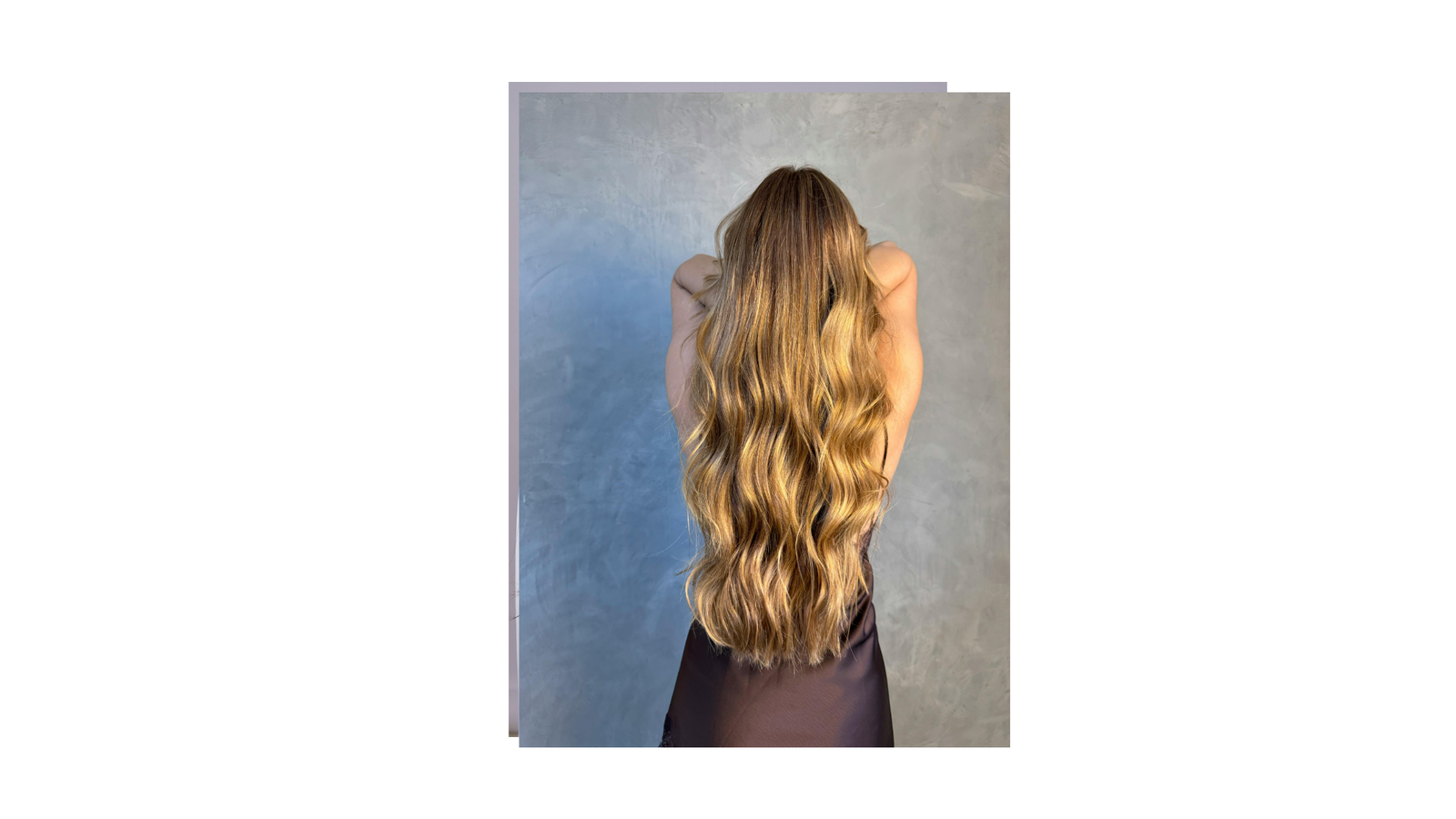
Yes. Layered haircuts remain highly relevant in 2026, but the trend is less about adding random layers everywhere and more about creating purposeful shape.
The right type of hair cutting style with layers depends on what you want the haircut to achieve.
Long layers
These start lower down the hair and maintain more of your overall length.
Best for: Long hair and people who want movement without a major reduction in length.
Face-framing layers
These are concentrated around the front of the hair and can be customized around the cheekbones, jaw, or chin.
Best for: People who want to change the appearance of their face without dramatically changing their overall hair cutting style.
Shorter layers
These create more visible movement and volume.
Best for: People who want a more textured and energetic haircut.
Internal layers
These can create movement inside the haircut without dramatically changing the outer length.
Best for: People who want movement while keeping a relatively clean exterior shape.
Butterfly layers
The butterfly haircut combines shorter face-framing layers with longer lengths underneath, creating a noticeable difference between the upper and lower sections.
It remains popular because it can create volume and movement while allowing you to keep long hair.
If you are unsure about layers, start with long or face-framing layers. They are easier to grow out than a heavily layered hair cutting style.
5. What are the most popular short hair cutting styles for women?
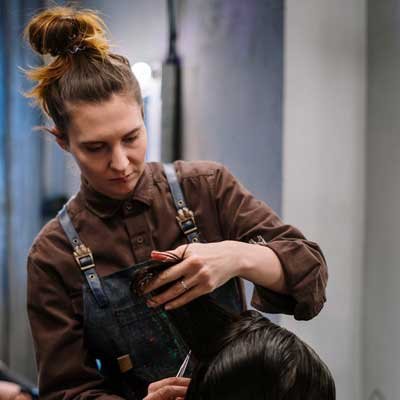
Short hair does not mean you have to choose one particular look. The best short hair cutting style depends on how much length you want to remove and how much styling you are comfortable doing.
In 2026, short cuts range from polished and structured to textured and deliberately messy.
Short Bob
A short bob can sit around the chin or jawline. A blunt version creates a clean, strong shape, while a textured version feels softer.
French-Inspired Bob
This hair cutting style usually has a shorter, face-framing shape and can be worn with bangs or natural texture.
Pixie Cut
A pixie keeps the hair short around the sides and back while allowing different amounts of length on top.
A textured pixie is particularly useful if you want the ability to create a slightly messy or piecey finish.
Bixie
The bixie combines characteristics of a bob and pixie.
It is useful if you want something shorter than a bob but not as cropped as a traditional pixie.
Textured Crop
This is a practical choice for people who prefer a short cut with visible texture rather than a perfectly smooth shape.
Before choosing a short hair cutting style, ask yourself one important question:
“Am I comfortable styling this haircut regularly?”
Short hair can be quick to wash and dry, but some short shapes need more frequent trimming to keep their outline looking intentional.
6. Is the bob haircut still popular, or are longer haircuts making a comeback?
The bob is still popular, but longer hair is also having a strong moment in 2026.
This is not really a battle between short and long hair.
Current trends show both extremes gaining attention: polished bobs and pixies on one side, and very long hair with purposeful layers on the other.
The better question is: Which length fits your lifestyle and which hair cutting style will be easiest for you to maintain?
Choose a bob if:
- You want a noticeable change
- You prefer structured haircuts
- You like styling your hair
- You want the ends to look visually fuller
- You are comfortable with regular shape maintenance
Choose longer layers if:
- You love your current length
- You want movement rather than a dramatic cut
- You prefer more styling options
- You want a haircut that grows out gradually
- You often tie your hair up
Choose a lob if:
You want the middle ground.
A lob gives you enough length for ponytails and different hairstyles while still feeling like a real haircut.
That versatility is one reason the lob continues to be a popular hair cutting style for people who want a noticeable change without going very short.
WATCH THE DETAILED VIDEO HERE https://www.youtube.com/watch?v=lN3_UZq-5XU&t=3s
7. Which low-maintenance hair cutting styles are easiest to manage?
Low maintenance does not always mean short.
In fact, some very short haircuts require frequent trims because their shape becomes noticeable as soon as the hair grows.
If you want a hair cutting style that is easy to live with, consider:
Long layers
Long layers usually grow out softly. You can also tie the hair up without losing much versatility.
Collarbone lob
A lob gives you enough length to create different hairstyles but is still easier to wash and dry than very long hair.
Soft textured bob
A slightly textured bob can be more forgiving as it grows compared with an extremely precise geometric bob.
Grown-out pixie
A longer pixie can work well for someone who likes short hair but does not want a highly polished shape every day.
Natural-texture cut
If your hair already has waves or curls, choosing a hair cutting style that works with your natural texture can reduce daily styling.
The real low-maintenance test is simple:
If you need a round brush, straightener, curling iron, and 30 minutes of styling every morning to make the haircut look right, it probably is not a low-maintenance hair cutting style for you.
8. What haircuts can make fine or thin hair look fuller and thicker?
If your hair is fine or appears thin, the haircut should create the appearance of density rather than simply adding more layers.
Blunt bob
A blunt bob can make the ends appear thicker because the perimeter has a strong, consistent line.
Blunt lob
If you do not want to go as short as a bob, a blunt lob can provide a similar effect while keeping more length.
One-length medium cut
A clean, one-length shape can prevent the ends from looking overly wispy.
Minimal face-framing
You can still frame the face, but avoid taking too much hair from the front if your priority is maximum fullness.
Soft long layers
If you cannot imagine giving up long hair, ask for very subtle layers rather than heavily chopped sections.
One common mistake is assuming that more layers automatically create more volume.
They can create movement, but excessive layering can also reduce the amount of hair sitting at the ends. For fine hair, the placement and amount of layering matter.
A fuller-looking hair cutting style usually keeps enough weight around the perimeter to make the hair appear denser.
9. Are bangs and face-framing haircuts a good choice for your face shape?
Yes, but bangs are one of the haircut choices where personalization matters most.
The wrong fringe can require daily styling, while the right hair cutting style can completely change how your haircut frames your face.
Curtain bangs
Curtain bangs split around the center and gradually blend into the rest of the haircut.
They are a popular option because they can be softer and easier to grow out than a heavy straight fringe. They can also be customized to different lengths.
Side bangs
Side-swept bangs are useful if you want the effect of a fringe without committing to a straight-across bang.
Brow-length bangs
These create a stronger focal point around the eyes.
They work best when you are comfortable with regular trimming and some styling.
Face-framing layers
If you are nervous about bangs, face-framing layers are the safer starting point.
You can place them around the cheekbones, jawline, or chin depending on the effect you want.
Before getting bangs, tell your stylist:
- How you normally part your hair.
- Whether you air-dry or blow-dry.
- Whether your hair is naturally straight, wavy, or curly.
- How much daily styling you are willing to do.
- Whether you want the bangs to grow out easily.
This information can be more useful than simply saying, “I want these bangs from this picture.”
10. How can you choose a trendy haircut that looks stylish but is easy to maintain?
The easiest way is to stop choosing a hair cutting style based only on the picture.
Instead, use the five-point haircut test.
1. Does it suit your natural texture?
A hair cutting style that looks perfect after a professional blowout may not look the same when you wash and air-dry it at home.
2. Does the length fit your routine?
Think about work, college, exercise, travel, and whether you regularly tie your hair.
3. How often will you need a trim?
A very precise bob or short pixie may need more frequent shape maintenance than long layers.
4. Can you style it without professional help?
If your hair cutting style only looks good after a salon blowout, it may not be practical for everyday life.
5. Can your stylist explain how to recreate it?
Before leaving the salon, ask your stylist to show you:
- How to part the hair
- Where to create volume
- Whether to air-dry or blow-dry
- Which styling technique matters most
- How the haircut should look when naturally dried
This approach gives you a better chance of choosing a hair cutting style that remains attractive after the salon appointment, not just on the day you get it.
FAQ
What is the most popular hair cutting style in 2026?
There is no single haircut that works for everyone. Popular choices include blunt and graduated bobs, long layers, textured pixies, lobs, face-framing cuts, and softer retro-inspired shapes.
Which hair cutting style is best for beginners?
A lob, long layers, or a simple medium-length cut is usually easier to experiment with than an extremely short or heavily layered haircut. These styles also give you more flexibility while you learn what works for your hair.
Which haircut makes hair look thicker?
Blunt bobs, blunt lobs, and clean one-length cuts can make the ends appear fuller. Fine hair can also benefit from carefully placed, minimal layers rather than excessive layering.
Are layers good for thin hair?
They can be, but they should be used strategically. Too many layers can remove weight from the ends. If fullness is your priority, discuss subtle layers or face-framing pieces with your stylist.
Which haircut is best for a round face?
Longer layers, face-framing pieces, and collarbone-length lobs can help create a more elongated appearance. However, your hair texture and personal preference should also influence the final hair cutting style.
Is a bob easy to maintain?
It depends on the bob. A precise blunt or jaw-length bob may need regular trims to maintain its shape, while a softer, slightly longer bob can be more forgiving as it grows.
CONCLUSION
The right hair cutting style is not necessarily the trendiest haircut you see online.
It is the haircut that makes sense for your face, your hair, your routine, and the amount of effort you are willing to put into styling it.
In 2026, you have plenty of strong options. You can choose a clean blunt bob, experiment with a lob, keep your length with long layers, add face-framing pieces, try curtain or side bangs, or make a bigger change with a textured pixie.
If you are still unsure, do not make the biggest change immediately.
Start with a hair cutting style that gives you room to adjust. For example, long layers can be added without sacrificing much length, while a lob can help you transition from long hair to a shorter style.
And when you visit your stylist, remember that the most useful conversation is not simply:
That is how you turn a trending haircut into a hair cutting style that actually works for you.
WANT TO LEARN MORE ?CHECK OUT OUE WEBSITE https://trimistrysalon.com