
Introduction
A face serum has become one of the most popular products in modern skincare, but it is also one of the products that confuses beginners the most.
Walk into a skincare store and you may see vitamin C serum, hyaluronic acid serum, niacinamide serum, retinol serum, salicylic acid serum, peptide serum, brightening serum, anti-aging serum, hydrating serum, and dozens of combinations.
So, which one do you actually need?
The answer is not simply “the most popular serum.”
A face serum is usually a lightweight skincare product designed to deliver specific ingredients to the skin. Unlike a basic moisturizer, which mainly focuses on hydration and supporting the skin barrier, a serum is often formulated around one or more targeted concerns.
That could be dryness, dullness, uneven-looking skin tone, acne, excess oil, fine lines, or dehydration.
This is why choosing a face serum should begin with your skin concern rather than the product’s packaging or a viral recommendation.
For example, someone with dehydrated skin may benefit from a hydrating serum containing ingredients such as hyaluronic acid or glycerin. Someone concerned about dullness or uneven-looking skin may look at niacinamide or vitamin C. Someone dealing with acne or clogged pores may consider a serum containing salicylic acid. Someone interested in signs of aging may consider retinoids or peptides depending on their needs and skin tolerance.
But more active ingredients do not automatically mean better skin.
Using several powerful serums together can increase the chance of irritation, especially when the ingredients overlap or are not well tolerated. Dermatology guidance also emphasizes choosing products based on your skin type and introducing potentially irritating actives carefully.
The good news is that you do not need to be a skincare expert to use a face serum correctly.
You simply need to understand what serum does, how to choose one, when to apply it, what ingredients are worth looking for, and what mistakes to avoid.
This guide breaks everything down in simple language so that even if you have never used a face serum before, you can understand where it fits into your skincare routine.
1. What is a face serum and what does it do for your skin?
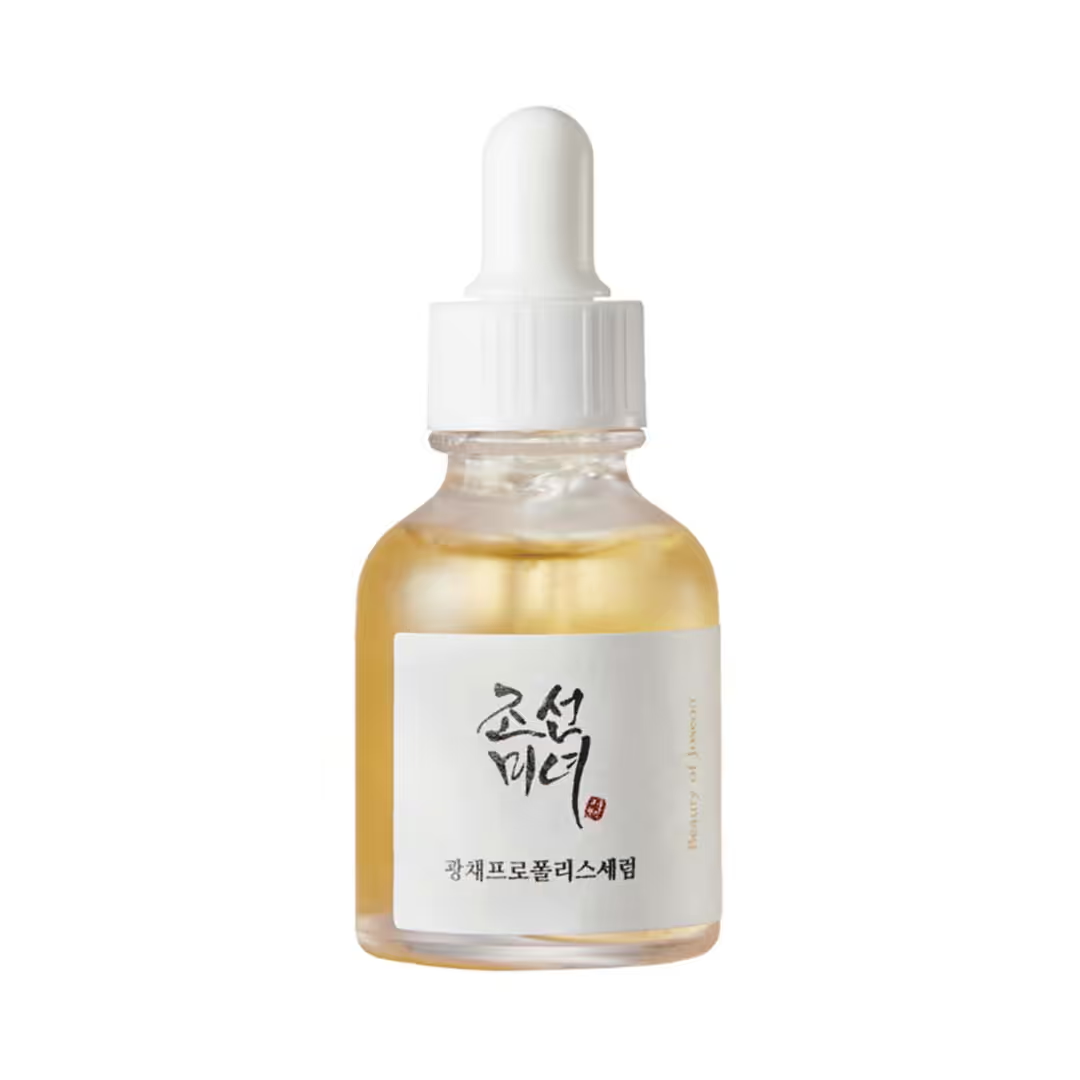
A face serum is a skincare product designed to deliver specific ingredients to the skin in a lightweight formula.
The texture can vary. Some serums are watery and almost feel like a liquid, while others are gel-like, milky, or slightly oily.
The main difference between a face serum and a regular moisturizer is its purpose.
A moisturizer is generally designed to hydrate the skin, reduce water loss, and support the skin barrier.
A face serum is often designed to target a particular concern.
For example, a hydrating face serum may focus on improving the feel and appearance of dehydrated skin.
A vitamin C serum may be used as part of a routine targeting dullness and uneven-looking skin tone.
A niacinamide serum may be chosen by people concerned about excess oil, visible pores, or uneven tone.
A salicylic acid serum may be used in an acne-focused routine.
A retinoid serum may be used to address concerns such as acne, uneven texture, and signs of skin aging.
This does not mean a face serum magically penetrates deep into the skin and fixes every problem.
Skincare marketing sometimes makes serums sound like miracle products, but the results depend on the ingredients, formulation, concentration, consistency of use, and your individual skin.
Harvard Health similarly notes that the effectiveness of a serum depends on factors such as the active ingredients, formulation, vehicle, and stability of the ingredients rather than simply the price of the product.
FOR MORE INFORMATION WATCH THIS VIDEO..https://www.youtube.com/shorts/l6B7a5RWjKE
Why does serum feel different from moisturizer?
Most serums are lighter than creams.
This allows them to fit easily into a layered skincare routine.
A typical routine might look like:
Cleanser → face serum → moisturizer → sunscreen in the morning.
The serum provides targeted ingredients, while the moisturizer helps support hydration and the skin barrier.
Do you actually need a serum?
Not necessarily.
This is important for beginners.
A face serum is an optional addition to your routine.
If your current routine of gentle cleanser, moisturizer, and sunscreen is working well and you do not have a specific concern, you do not need to buy a serum simply because skincare influencers use one.
However, if you have a particular concern that can be addressed with an appropriate active ingredient, a face serum can be a useful addition.
The goal is not to collect serums.
The goal is to choose one that has a clear purpose.
2. How do you choose the right face serum for your skin type and concern?
Choosing the right face serum starts with one simple question:
“What do I want this serum to help with?”
Do not begin with the brand.
Do not begin with the packaging.
Begin with your skin.
If your main concern is dryness, choose hydration.
If your concern is dullness, look for ingredients commonly used to support a brighter-looking complexion.
If you have excess oil or clogged pores, look for an appropriate oil-control or exfoliating ingredient.
If your concern is signs of aging, look at ingredients with evidence for improving the appearance of fine lines and texture.
Face serum for dry skin
Dry skin usually benefits from a hydrating serum.
Look for ingredients such as:
- Hyaluronic acid
- Glycerin
- Panthenol
- Beta-glucan
- Ceramides
Hyaluronic acid and glycerin are humectants, which help attract water.
But a hydrating face serum is not necessarily enough on its own.
After applying it, use an appropriate moisturizer to help support the skin barrier and reduce moisture loss.
Face serum for oily skin
If your skin becomes shiny quickly, you may prefer a lightweight serum.
Niacinamide is a common ingredient in formulas designed for oily or combination skin.
Salicylic acid may also be considered if clogged pores and acne are concerns.
However, oily skin does not mean you should remove every trace of oil.
Your skin still needs hydration.
Using extremely harsh products can leave the skin irritated and uncomfortable.
Face serum for sensitive skin
Sensitive skin requires more caution.
Do not choose a serum simply because it contains ten active ingredients.
A simple formula may be a better starting point.
Look for ingredients focused on hydration and skin comfort, and avoid ingredients you already know cause irritation.
Patch testing a new face serum can also be helpful, particularly if you have a history of sensitivity.
Face serum for dull skin
If your skin looks tired or lacks radiance, you may consider ingredients such as vitamin C or niacinamide.
But remember that dullness can have many causes.
Dehydration, lack of sleep, environmental exposure, and inconsistent skincare can all affect how your complexion looks.
A serum can be part of the solution, but it cannot compensate for every lifestyle factor.
Face serum for signs of aging
Retinoids are among the best-studied topical ingredients for several signs of skin aging.
Peptides and vitamin C are also common in anti-aging skincare.
However, you do not need to use every anti-aging ingredient together.
Start with one targeted product and give your skin time to adjust.
3. Which ingredients should you look for in a face serum?
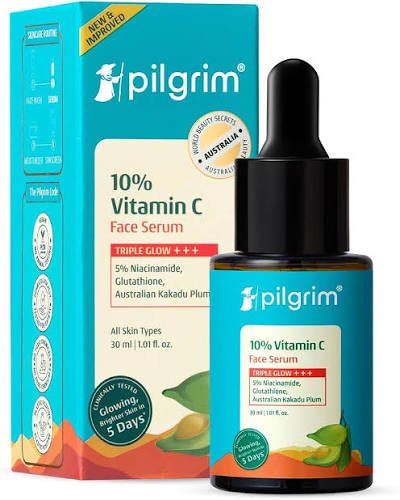
The ingredient list is more useful than a product’s marketing claims.
Once you understand a few common ingredients, choosing a face serum becomes much easier.
Hyaluronic acid
Hyaluronic acid is commonly used for hydration.
It helps attract water and can make the skin feel more hydrated and look temporarily plumper.
It is particularly popular in serums for dry or dehydrated skin.
Niacinamide
Niacinamide is a form of vitamin B3 used in many skincare products.
It is commonly included in formulas targeting excess oil, uneven-looking skin tone, and the appearance of pores.
It is also used in barrier-supportive skincare.
Vitamin C
Vitamin C is a popular antioxidant ingredient.
It is commonly used in products targeting dullness, uneven-looking skin tone, and signs of environmental skin damage.
Vitamin C formulations can vary considerably in stability and formulation, so do not assume every vitamin C face serum will perform in exactly the same way.
Salicylic acid
Salicylic acid is a beta hydroxy acid commonly used in acne-focused skincare.
It can help exfoliate and unclog pores.
If your skin is sensitive or dry, however, excessive use can cause irritation.
Retinoids
Retinoids are vitamin A derivatives used in skincare for concerns including acne, texture, and signs of aging.
They can be effective but may also cause dryness and irritation, especially when introduced too quickly.
Peptides
Peptides are another common ingredient category in serums designed around skin aging and firmness.
Different peptides have different properties, so the word “peptide” alone does not tell you exactly what the product will do.
Ceramides
Ceramides are lipids naturally found in the skin barrier.
They are commonly used in products designed for dry or barrier-compromised skin.
They can work particularly well in a routine that includes a hydrating face serum followed by a moisturizer.
The key lesson is simple:
Do not buy a face serum because it contains the most ingredients.
Buy it because the ingredients match your concern.
4. What is the correct way to apply face serum to your skin?
Applying a face serum correctly is much simpler than many skincare videos make it appear.
You do not need a complicated massage technique.
You do not need to rub the serum into your skin for five minutes.
And you do not need to use half the bottle.
Start with clean skin.
Step 1: Cleanse
Wash your face with a gentle cleanser appropriate for your skin.
Remove makeup, sunscreen, sweat, excess oil, and other buildup.
Step 2: Apply your face serum
Use the amount recommended by the product.
Many serums require only a small amount.
Dispense it onto your fingertips or directly onto the skin without allowing the dropper to touch your face.
This helps reduce the risk of contaminating the bottle. Dermatologist guidance reported by NDTV also specifically warns against touching a serum dropper directly to the face.
Step 3: Spread gently
Apply the serum evenly across the face.
You can gently smooth or pat it into the skin.
There is no need to aggressively rub.
Step 4: Follow with moisturizer
Once the serum has settled, apply your moisturizer.
The usual order is:
Cleanser → face serum → moisturizer.
Medical guidance similarly recommends placing a serum before moisturizer because serums are generally lighter while moisturizers are usually thicker.
Step 5: Use sunscreen in the morning
If you are applying your face serum during the daytime, sunscreen should be the final major skincare step.
This is particularly important when your serum routine includes ingredients that can increase skin sensitivity.
A face serum should complement sun protection, not replace it.
5. Should you apply face serum before or after moisturizer?
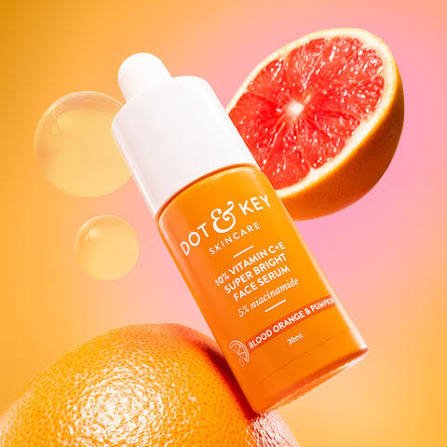
In most routines, apply your face serum before moisturizer.
The basic order is:
Cleanser → toner if desired → face serum → moisturizer → sunscreen in the morning.
Why?
Most serums are formulated to be lighter than moisturizers.
A moisturizer is generally designed to sit on the skin and help reduce moisture loss, while a serum is usually intended to deliver specific ingredients before that moisturizing layer.
Medical News Today also recommends applying serum before moisturizer in most skincare routines because of the difference in texture and formulation.
What if you apply moisturizer first?
Do not panic.
Applying moisturizer before serum one time is not going to ruin your skin.
It simply may not be the most practical order for many serum formulas.
The bigger concern is consistency and choosing products that work well together.
What about facial oil?
Facial oils are generally used toward the end of a skincare routine because they can form a more occlusive layer.
A simple routine could therefore be:
Cleanser → face serum → moisturizer → facial oil if needed.
But you do not need an oil unless your skin benefits from it.
What about toner?
A toner is optional.
If you use one, it generally comes before your face serum.
But again, you do not need a toner to make a serum work.
A simple routine is often easier to maintain than an unnecessarily complicated one.
6. How often should you use a face serum for visible results?
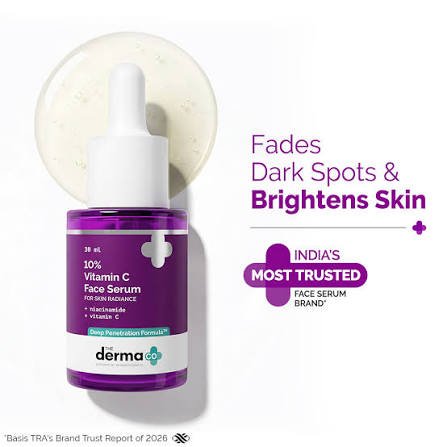
How often you should use a face serum depends on the ingredients.
A gentle hydrating serum may be suitable for daily use.
A stronger active serum may need a slower introduction.
This is particularly important with retinoids, exfoliating acids, and other potentially irritating ingredients.
Hydrating serum
A simple hyaluronic acid or glycerin-based face serum can often be used daily if your skin tolerates it.
You may use it in the morning, evening, or both depending on the product and your routine.
Niacinamide serum
Niacinamide can also be used regularly by many people, but the concentration and complete formula matter.
If you are new to it, starting once daily is reasonable.
Vitamin C serum
Many people use vitamin C once daily, often in the morning.
But product instructions and formulation should guide your routine.
Salicylic acid serum
Salicylic acid does not necessarily need to be used every day.
If your skin is sensitive or dry, start less frequently and increase only if your skin tolerates it.
Retinoid serum
Retinoids are generally introduced gradually.
You may begin with one or two nights per week and increase frequency according to your skin’s tolerance and the product’s instructions.
The mistake is assuming that daily use automatically means faster results.
It does not.
If your skin becomes irritated, you may end up stopping the product altogether.
Consistency at a tolerable frequency is more useful than overuse.
7. Which face serum is best for dry, oily, acne-prone, or sensitive skin?
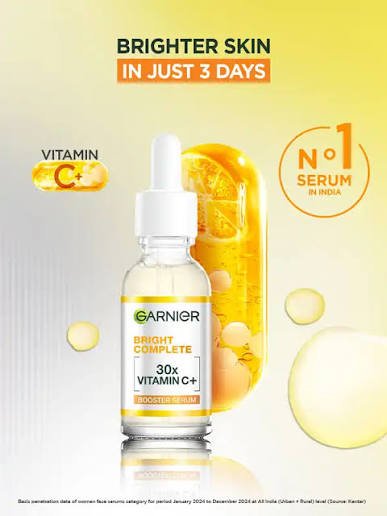
There is no single best face serum for every skin type.
The better question is:
“What serum matches my skin and my current concern?”
For dry skin
Choose a hydrating face serum.
Look for hyaluronic acid, glycerin, panthenol, beta-glucan, or other moisturizing ingredients.
Then apply a suitable moisturizer.
If your skin barrier feels compromised, look for a routine that also includes barrier-supportive ingredients such as ceramides.
For oily skin
Choose a lightweight serum.
Niacinamide can be useful for many oily or combination-skin routines.
If clogged pores or acne are concerns, salicylic acid may be appropriate.
But avoid using multiple strong acne products at the same time without a clear reason.
For acne-prone skin
Your serum should have a specific purpose.
Salicylic acid may be useful for clogged pores.
Niacinamide can be included in a routine focused on oil and skin barrier support.
Retinoids can also be effective for acne, but stronger retinoids should be used carefully and may require medical guidance depending on the product.
For sensitive skin
Choose simplicity.
A gentle hydrating face serum may be a better starting point than a highly active product.
Avoid adding several new actives at once.
If a serum causes persistent burning, redness, or irritation, stop using it.
For uneven-looking skin tone
Vitamin C, niacinamide, azelaic acid, and other targeted ingredients may be considered depending on the concern.
But pigmentation can have different causes.
If you have persistent or worsening pigmentation, a dermatologist can help determine the cause and recommend appropriate treatment.
For mature skin
A routine may include ingredients such as retinoids, vitamin C, peptides, and hydrating ingredients.
But again, you do not need all of them.
A face serum should solve a problem, not create a longer shopping list.
8. Can a face serum help with dark spots, dullness, acne, and signs of aging?
Yes, a properly selected face serum can be useful for several common skin concerns.
But the word “help” is important.
A serum is not a guaranteed cure.
Dark spots
Some serums contain ingredients designed to improve the appearance of uneven pigmentation.
Vitamin C, niacinamide, azelaic acid, and certain retinoids are commonly used in pigmentation-focused routines.
But treating dark spots also requires consistent sun protection.
If you keep exposing your skin to UV radiation without adequate protection, it becomes much harder to maintain improvements.
Dullness
Dull skin can sometimes be related to dehydration or surface buildup.
A hydrating face serum can improve the appearance of dehydrated skin.
An appropriate exfoliating ingredient may also help with surface texture.
But over-exfoliation can make the skin look worse rather than better.
Acne
Some serums are specifically formulated for acne-prone skin.
Salicylic acid can help with clogged pores, while retinoids can be useful in acne treatment.
However, persistent, painful, cystic, or scarring acne may require professional treatment rather than relying on a cosmetic serum alone.
Fine lines
Retinoids have stronger evidence for improving several signs of skin aging than many trendy ingredients.
Vitamin C and peptides are also commonly used in anti-aging skincare.
However, sunscreen remains essential.
A face serum cannot undo all the effects of repeated UV exposure.
Hydration
This is one of the simplest uses for a face serum.
A hydrating serum containing ingredients such as hyaluronic acid or glycerin can make dry or dehydrated skin feel more comfortable.
Follow it with moisturizer to support the skin’s hydration.
9. Can you use more than one face serum in the same skincare routine?
You can, but you do not always need to.
This is where skincare routines can become unnecessarily complicated.
Using two compatible serums may be reasonable.
Using five active serums because you want to solve every skin concern at once is usually not a good starting strategy.
Different active ingredients can interact or increase the chance of irritation.
For example, retinoids and exfoliating acids can be irritating when combined, particularly for beginners. Medical guidance recommends caution with combinations that can increase irritation.
Recent expert commentary also emphasizes that “cocktailing” multiple strong ingredients can increase dryness and irritation and that alternating active ingredients can be a safer approach for many people.
A better approach
Start with one face serum.
Use it consistently.
Observe how your skin responds.
Only then consider adding another product.
For example, you might use a hydrating serum in the morning and a retinoid at night.
Or you might use vitamin C in the morning and a different treatment at night.
You do not have to layer everything in the same routine.
Can you combine hyaluronic acid and niacinamide?
These ingredients are commonly used together in skincare and can be compatible in many routines.
Can you combine vitamin C and sunscreen?
Yes.
In fact, antioxidant skincare and sunscreen can complement each other.
But vitamin C does not replace sunscreen.
Can you combine retinol and salicylic acid?
This combination can be irritating for some people.
If you are a beginner, alternating them on different nights may be easier to tolerate.
Can you combine multiple serums?
Yes, if the formulas are compatible and your skin tolerates them.
But remember:
More products do not automatically produce better skin.
10. What are the common mistakes to avoid when using a face serum?
Many serum problems are not caused by the serum itself.
They happen because the product is used incorrectly or chosen without considering the skin.
Mistake 1: Using too much
A face serum is usually concentrated.
Using more product does not automatically produce faster results.
Follow the product instructions.
Mistake 2: Applying serum to unclean skin
If your face is covered with makeup, sunscreen, sweat, and excess oil, cleanse first.
Your skincare routine should start with clean skin.
Mistake 3: Touching the dropper to your face
Do not place the serum dropper directly against your skin.
This can introduce bacteria into the bottle.
Use the dropper without touching it to your face.
Mistake 4: Using too many serums
If one serum is enough, do not add four more.
Choose based on your main concern.
Mistake 5: Starting strong actives every day
Retinoids and exfoliating acids can irritate the skin.
Start gradually.
Mistake 6: Ignoring your skin type
A face serum that works well for oily skin may not be ideal for very dry or sensitive skin.
Read the ingredient list and consider the complete formula.
Mistake 7: Rubbing aggressively
Serum does not need aggressive massage.
Apply it gently.
Mistake 8: Forgetting moisturizer
A face serum is not automatically a replacement for moisturizer.
If your skin needs additional hydration, follow the serum with an appropriate moisturizer.
Mistake 9: Skipping sunscreen
If your routine targets pigmentation, dullness, or signs of aging, sunscreen is essential.
Otherwise, you are trying to improve concerns while continuing to expose your skin to the main environmental factor that contributes to many of them.
Mistake 10: Expecting overnight results
A face serum is not an instant transformation product.
Some hydrating effects can be noticeable quickly, but concerns such as acne, pigmentation, texture, and fine lines generally require consistent use over time.
Mistake 11: Changing products constantly
If you change your face serum every week, you will never know which product is actually working.
Give a suitable product enough time unless it causes irritation.
Mistake 12: Storing the serum incorrectly
Some ingredients are sensitive to light, heat, or air.
Follow the storage instructions on the product.
Vitamin C products, in particular, can be sensitive to environmental conditions depending on the formulation.
FAQ
What is the main purpose of a face serum?
A face serum is generally used to deliver targeted skincare ingredients for a specific concern, such as hydration, dullness, uneven-looking skin tone, acne, or signs of aging.
Can I use face serum every day?
It depends on the serum. Gentle hydrating serums can often be used daily, while stronger active serums such as retinoids or exfoliating acids may need to be introduced gradually.
Should I apply serum before moisturizer?
Yes. In most routines, apply your face serum after cleansing and before moisturizer. This follows the common lighter-to-heavier application order.
Can I use face serum without moisturizer?
You can, but it depends on your skin and the serum. Many people still benefit from moisturizer after serum because moisturizer helps support hydration and the skin barrier.
How many drops of face serum should I use?
Follow the instructions on your product. You generally do not need a large amount. Using more serum does not automatically mean better results.
Conclusion
A face serum can be one of the most useful additions to a skincare routine, but only when you choose one for a clear reason.
You do not need the most expensive serum.
You do not need five different serums.
And you do not need to follow every skincare trend you see online.
Start by understanding your skin.
If your skin is dehydrated, choose hydration.
If you are concerned about dullness or uneven-looking skin, consider an appropriate brightening-focused ingredient.
If clogged pores and acne are your main concern, look at ingredients designed for those problems.
If you are concerned about signs of aging, consider evidence-supported ingredients such as retinoids and build your routine slowly.
Once you choose the right face serum, application is simple.
Cleanse your skin.
Apply your serum.
Follow with moisturizer.
In the morning, finish with sunscreen.
The most important part is consistency.
A face serum cannot compensate for a poor skincare routine, excessive sun exposure, constant product switching, or aggressive treatment.
It should work as one part of a balanced routine.
Also remember that skincare is personal.
A serum that works beautifully for one person may irritate another. Your skin type, sensitivity, existing routine, and the specific formulation all matter.
If you are completely new to serums, start with one product rather than several.
Give your skin time to adjust.
FOR MORE UPDATE VISIT OUR PAGE….https://trimistrysalon.com/category/salon/salon-salon/