
Introduction
If you are new to skincare, choosing a sheet mask for face can seem surprisingly confusing. Walk into a beauty store or search online and you will find masks for hydration, brightening, soothing, firming, dullness, dry skin, oily skin, sensitive skin, and almost every other skin concern.
The problem is that not every mask is suitable for every person.
A sheet mask may look like a simple piece of fabric or gel soaked in serum, but the material, ingredients, application time, and formula all affect how it feels and what it can realistically do for your skin.
For someone trying a sheet mask for face for the first time, the most important question is not simply, “Which one is popular?” It is, “Which one makes sense for my skin?”
For example, dry or dehydrated skin may benefit from a formula focused on hydration, while someone with sensitive skin may want to be more careful with fragrance and potentially irritating ingredients. Someone preparing for makeup may want a lightweight hydrating mask that leaves the skin comfortable rather than sticky or overloaded.
The way you use the product also matters.
A sheet mask for face is generally used after cleansing, and many hydrating sheet masks are followed by moisturizer. The exact routine can vary by product, so the instructions on the packaging should always take priority.
Timing matters too. A mask can be useful before an event or makeup because temporary hydration can make the skin look smoother and more plump. However, trying a completely new product immediately before an important event is not a good idea if you do not know how your skin will react.
This guide is designed for beginners who want practical answers rather than complicated skincare language.
We will look at how to choose a sheet mask for face according to your skin type, what to check on the label, whether it can be used before makeup, when to use it, how it fits into a skincare routine, how to identify a suitable option for sensitive skin, and the common mistakes that can reduce the benefits.
How do you choose a sheet mask for your specific skin type?
The first step in choosing a sheet mask for face is understanding what your skin actually needs.
Do not start with the packaging. Start with your skin.
If your face frequently feels tight, rough, or uncomfortable after cleansing, your main concern may be dryness or dehydration. In that situation, a hydrating mask may make more sense than a mask designed primarily around exfoliating or oil-control ingredients.
If your skin becomes shiny quickly but still feels tight or lacks comfort, you may have oily or combination skin that is also dehydrated. Oily skin does not mean that your skin does not need hydration.
For dry skin, look for formulas containing moisturizing ingredients such as glycerin, hyaluronic acid, panthenol, or ceramides. These ingredients are commonly used in products designed to increase or support skin hydration. The American Academy of Dermatology also lists hyaluronic acid, ceramides, and glycerin among ingredients that can be useful for dry or sensitive skin.
For oily or combination skin, you may prefer a lightweight sheet mask for face rather than a formula that leaves a very heavy or greasy finish.
A lightweight hydrating formula can be useful when your skin needs water without wanting a rich texture.
If your skin is sensitive, simplicity becomes more important.
Instead of immediately choosing a mask with a long list of active ingredients, consider a formula designed around hydration and soothing ingredients that your skin already tolerates. Centella asiatica, panthenol, aloe, and similar ingredients are commonly found in soothing skincare products.
Fragrance is another consideration. If your skin is easily irritated, you may prefer fragrance-free or fragrance-conscious products. Dermatologists also recommend paying attention to ingredients that match your particular skin concerns rather than choosing a mask based only on its marketing claims.
The material of the mask can also affect the experience.
Cotton masks can be comfortable and familiar, while hydrogel and bio-cellulose masks may adhere closely to the skin and hold a significant amount of serum. The best material is not automatically the most expensive one. Fit, comfort, formula, and skin tolerance matter more.
A simple way to choose a sheet mask for face is to ask yourself three questions:
What does my skin need right now?
Which ingredients support that need?
Will this formula be comfortable for my skin?
Answer those three questions before looking at the marketing claims on the front of the package.
1.What should you check on a sheet mask label before applying it to your face?
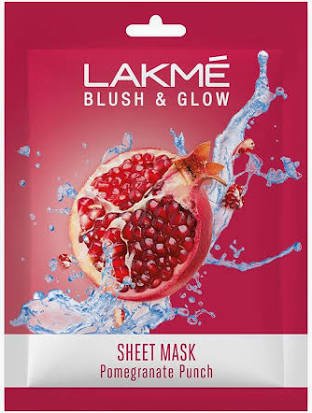
The front of a package is designed to attract attention. The back is where you should look for useful information.
Before applying a sheet mask for face, check the ingredient list, instructions, recommended application time, warnings, and storage information.
Start with the product’s main purpose.
If it says hydration, look for moisturizing ingredients. If it is designed for brightening, check which ingredients are actually responsible for that claim. If it is positioned as soothing, look for ingredients commonly used to support comfortable-feeling skin.
Do not assume that words such as “glow,” “radiance,” “firming,” or “detox” tell you exactly what the product will do.
The ingredient list gives you more useful information.
For example, glycerin and hyaluronic acid are commonly associated with hydration. Ceramides are commonly used in barrier-supportive skincare. Niacinamide can appear in formulas designed for several concerns, including supporting the skin barrier and improving the appearance of uneven tone.
The next thing to check is the application time.
If the instructions say to wear the sheet for 10–20 minutes, follow those instructions. Do not assume that leaving a sheet mask for face on for an hour will produce better results.
Some newer products have different instructions, so the product label should always be your first reference.
Also check whether the product should be rinsed after removal.
Many traditional hydrating sheet masks are designed to be removed and followed by the remaining essence being gently pressed into the skin. Other masks may have different instructions.
Another important detail is the warning section.
If you know that your skin reacts to certain ingredients, compare the ingredient list with your previous experiences.
If a product contains something that has caused irritation for you before, choosing it simply because it is trending is probably not worth the risk.
Also check the packaging for signs of damage, leakage, or an unusual smell or texture.
A sheet mask for face is applied directly to your skin, so product condition matters.
If the product is new to you and you have sensitive or reactive skin, testing the formula cautiously before using it over your entire face can be a sensible precaution.
The label is not just there to tell you the brand name and product claims. It tells you how the product is intended to be used.
2. Can you use a sheet mask before makeup for a smoother-looking base?
Yes, a sheet mask for face can be useful before makeup, particularly when your skin looks dehydrated or feels dry.
Hydration can temporarily make the skin appear smoother and more plump. That can give makeup a more comfortable surface to work with.
This is one reason sheet masks are often included in skin-preparation routines before events.
When the skin is dehydrated, foundation can sometimes catch on dry patches or emphasize rough areas. Giving the skin a short hydration boost beforehand may help create a smoother-looking base.
However, timing is important.
You do not want to put on a sheet mask and immediately apply a heavy layer of foundation while the skin is still covered in excess essence.
After removing the mask, gently press the remaining essence into the skin and allow it some time to settle.
Then apply moisturizer if your skin needs it, followed by sunscreen if it is daytime, and then your makeup routine.
Current makeup-preparation guidance also commonly places hydrating skincare before moisturizer and primer, with a sheet mask being an optional hydration step.
There is another important rule: do not experiment on the morning of a major event.
If you have a wedding, party, photoshoot, interview, or another important occasion, using a completely new sheet mask for face for the first time immediately before makeup creates an unnecessary risk.
Even a product marketed as gentle can cause redness, itching, or irritation in an individual who does not tolerate one of its ingredients.
If you want to use a sheet mask before makeup, test it on another day first.
For an event, a product that your skin already knows is a much safer choice.
Also avoid choosing a mask that leaves an extremely sticky layer if you know that your foundation does not sit well over heavy skincare.
The goal is not to put as many products as possible under your makeup.
The goal is to create skin that feels hydrated, comfortable, and smooth enough for your makeup to apply evenly.
3. What is the best time of day to use a sheet mask for your face?
There is no single “perfect” time of day for everyone.
The best time to use a sheet mask for face depends on what you are trying to achieve and how the mask fits into your routine.
For many people, evening is convenient because there is no need to apply makeup afterward.
An evening routine also gives you time to cleanse your face properly, apply the mask, and finish with moisturizer without rushing.
If your skin feels dry or dehydrated at the end of the day, an evening sheet mask can be a comfortable addition to your routine.
Morning use can also make sense.
If your goal is to prepare your skin before makeup, a hydrating sheet mask for face may temporarily improve the appearance of dryness and give your complexion a fresher look.
However, you should allow enough time between the mask and your makeup application.
Applying foundation immediately while excess essence is still sitting on the skin may contribute to pilling or an overly slippery base, depending on the products you use.
Another useful approach is to use a sheet mask when your skin actually needs the extra hydration rather than treating it as an obligation.
For example, your skin may feel particularly dry after travelling, spending time in air-conditioned environments, or being exposed to dry weather.
The important thing is consistency with the rest of your skincare routine.
If you use a mask at night, cleanse first, apply the mask according to the product instructions, remove it at the recommended time, and finish with moisturizer if appropriate.
If you use it in the morning, remember that a sheet mask does not replace sunscreen.
Daytime skincare still needs sun protection when you are going outdoors. The American Academy of Dermatology recommends broad-spectrum, SPF 30 or higher sunscreen for outdoor exposure.
So, morning or night can work.
Choose the time when you can use the product correctly and give your skin enough time to settle afterward.
4. Should you apply skincare products before or after a sheet mask?
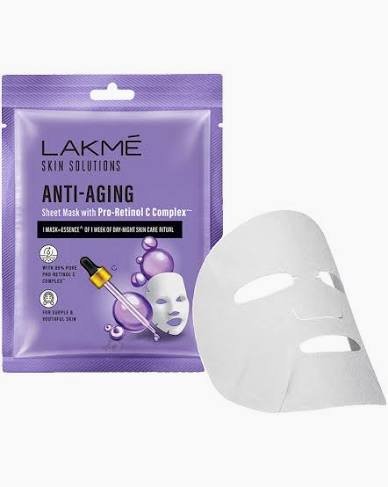
This is one of the most confusing parts of using a sheet mask for face because different products can have different instructions.
For a typical hydrating sheet mask, a simple routine is:
Cleanse → toner if you use one → sheet mask → moisturizer.
Some routines may include a serum, but you do not necessarily need to add several layers before applying the mask.
A sheet mask already contains a concentrated skincare formula. Adding multiple serums underneath it can be unnecessary, especially if those products contain strong active ingredients.
The safest approach is to follow the instructions for your specific mask and consider what the other products in your routine contain.
For example, a hydrating serum may be compatible with a simple sheet-mask routine, while layering a strong active underneath an occlusive sheet could increase the chance of irritation for some people.
After removing the sheet mask for face, gently press the remaining essence into the skin if the product instructions say to leave it on.
Then use a moisturizer if needed.
Moisturizer can help reduce moisture loss and maintain the comfortable hydrated feeling produced by the mask.
This is why many sheet-mask routines place moisturizer after the mask rather than underneath it.
Do not assume that every mask follows exactly the same routine, though.
Some products are formulated differently, and some may tell you to rinse after use.
The product directions should always take priority.
The bigger lesson is to avoid turning skincare into a race to apply as many products as possible.
A good routine is not necessarily the routine with the most steps.
If your sheet mask already contains hydrating ingredients, you may only need a moisturizer afterward.
Keeping the routine simple can also make it easier to identify which product is helping your skin and which one may be causing irritation.
5. How can you tell if a sheet mask is suitable for sensitive skin?
Choosing a sheet mask for face for sensitive skin requires more attention than simply picking a product labelled “sensitive.”
Sensitive skin can react differently from person to person.
One person may react to fragrance, another may struggle with certain preservatives, while someone else may experience discomfort when using strong active ingredients.
The first thing to consider is the ingredient list.
If your skin is easily irritated, a simpler formula may be easier to tolerate than a mask packed with numerous active ingredients.
Look for ingredients commonly used for hydration and soothing, such as hyaluronic acid, glycerin, panthenol, aloe, or centella asiatica, provided you already tolerate them.
The American Academy of Dermatology specifically lists hyaluronic acid, ceramides, glycerin, colloidal oatmeal, and green tea extract among ingredients that can be useful for dry or sensitive skin.
Fragrance is another consideration.
If you already know that fragranced products irritate your skin, choose a fragrance-free option rather than hoping that a sheet mask will somehow behave differently.
Also consider the strength of the formula.
A sensitive-skin routine does not necessarily need a mask containing several exfoliating acids, high-strength brightening ingredients, or multiple actives.
Hydration and comfort may be the more useful goals.
Another clue is how your skin feels while wearing the mask.
A mild cooling sensation can be normal for some products, but persistent burning, stinging, itching, or significant redness is a reason to remove the mask.
Do not keep a product on simply because the packaging says it should stay on for a certain number of minutes.
Your skin’s response matters.
If you have a known skin condition or frequent unexplained reactions, getting personalized advice from a qualified dermatologist is more appropriate than experimenting with multiple masks.
And if you have an important event coming up, do not introduce a new sheet mask for face on the same day.
Test unfamiliar products beforehand so you have time to see how your skin responds.
WATCH THIS DETAILED VIDEO https://www.youtube.com/shorts/TQXgRdYtg-0
6. What are the common mistakes people make when using a sheet mask?
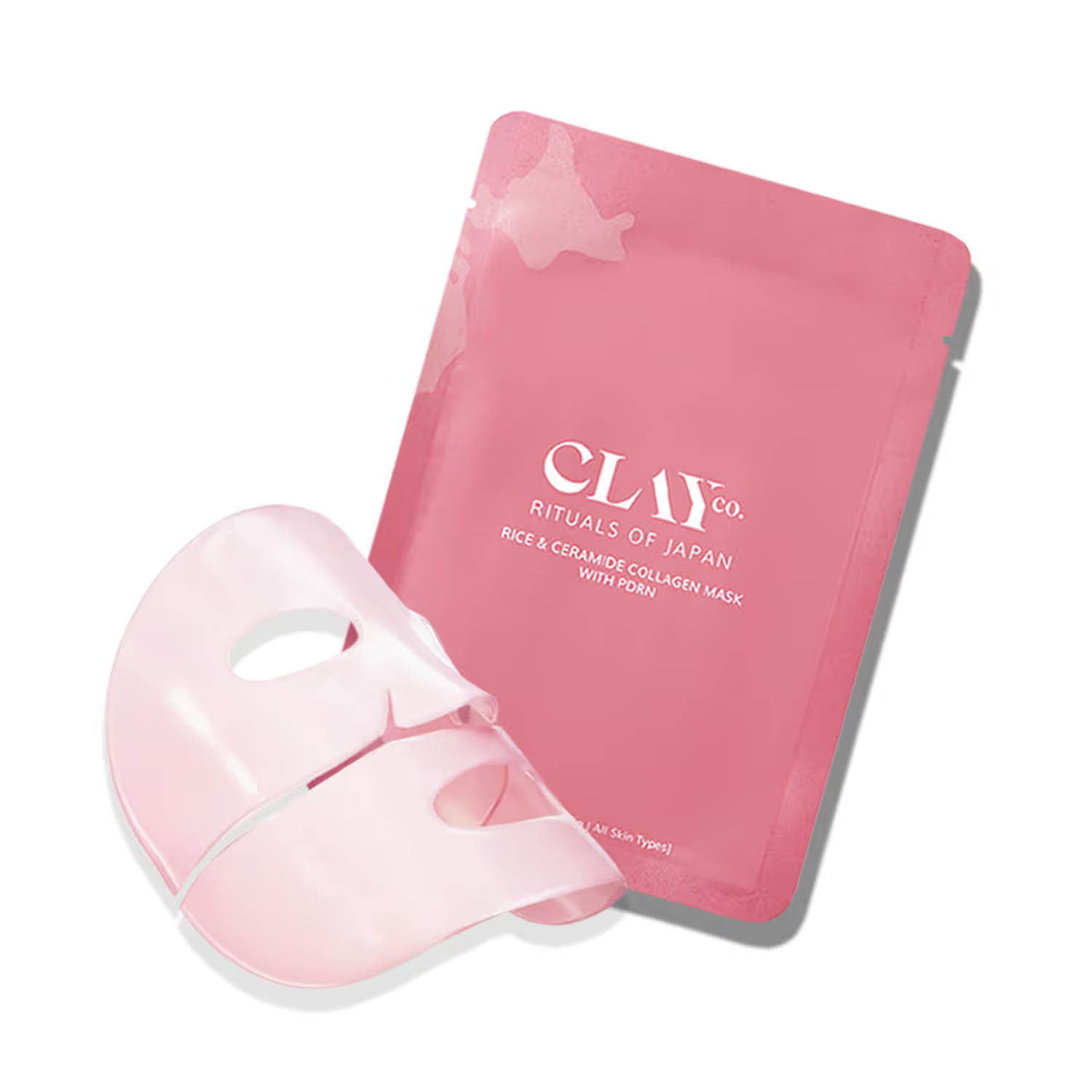
A sheet mask for face looks easy to use, but a few common mistakes can make the experience less effective or less comfortable.
The first mistake is applying the mask to unclean skin.
If you still have makeup, sunscreen, sweat, or dirt on your face, the mask is not starting with a clean surface.
Cleanse your skin first and follow the mask’s instructions.
The second mistake is leaving the mask on for too long.
Many people assume that if 15 minutes is good, 40 minutes must be better.
That is not necessarily true.
Follow the recommended wear time. Once the sheet becomes dry, leaving it on longer does not automatically provide more hydration.
The third mistake is choosing a mask based only on its marketing.
A package might say “glow,” “radiance,” or “instant transformation,” but the ingredient list tells you more about what the product is actually designed to do.
Choose according to your skin concern.
The fourth mistake is using too many strong products at the same time.
If you use a sheet mask for face containing active ingredients and then layer several other strong treatments on top, your skin may become irritated.
More active ingredients do not automatically mean better results.
The fifth mistake is skipping moisturizer when your skin needs it.
A sheet mask can add hydration, but moisturizer can help maintain that comfortable feeling afterward.
The sixth mistake is using a product for the first time immediately before an important event.
Even if thousands of people love a particular mask, your skin may respond differently.
The seventh mistake is expecting permanent results from one use.
A sheet mask can temporarily improve hydration and the appearance of the skin, but long-term skin changes require consistent care.
The eighth mistake is assuming that expensive means better.
Price does not guarantee that a product is suitable for your skin.
A simple, well-formulated mask that your skin tolerates can be more useful than an expensive product containing ingredients you do not need.
Finally, some people treat sheet masking as a replacement for basic skincare.
It is not.
A sheet mask for face can be a useful addition to a routine, but it does not replace cleansing, moisturizing, or daytime sun protection.
FAQ
What is a sheet mask for face?
A sheet mask for face is a pre-shaped sheet made from materials such as cotton, cellulose, bio-cellulose, or hydrogel and saturated with a skincare essence or serum. It is placed directly over the face for a specific amount of time.
Is a sheet mask suitable for every skin type?
Not every formula is suitable for everyone. The right sheet mask for face depends on your skin type, current concern, and how your skin reacts to specific ingredients.
Can oily skin use a sheet mask?
Yes. Oily skin can still be dehydrated. A lightweight hydrating formula can provide moisture without necessarily feeling heavy or greasy.
Which sheet mask is best for dry skin?
Look for a sheet mask for face containing moisturizing ingredients such as glycerin, hyaluronic acid, panthenol, or ceramides. Choose a formula that feels comfortable rather than simply selecting the richest product available.
Can I use a sheet mask before makeup?
Yes. A hydrating sheet mask can temporarily make the skin appear smoother and more plump, which may help create a comfortable makeup base. Allow the remaining essence to settle before applying makeup.
How long should I leave a sheet mask on?
Follow the time stated on the product packaging. Leaving a sheet mask for face on longer than recommended does not automatically improve the results.
Should I wash my face after using a sheet mask?
It depends on the product instructions. Many hydrating sheet masks are designed to be removed and followed by gently pressing the remaining essence into the skin. Some products may instruct you to rinse, so always check the packaging.
Conclusion
Choosing a sheet mask for face does not have to be complicated.
The most useful starting point is your own skin. Instead of choosing a product because it is popular or because the packaging promises instant transformation, identify what your skin needs and then look for ingredients that support that goal.
If your skin feels dry or dehydrated, focus on hydration. If your skin is easily irritated, choose a simpler formula and be careful with fragrance and strong active ingredients. If you want to prepare your skin before makeup, choose a lightweight hydrating mask that you already know your skin tolerates.
The label also deserves your attention.
Check the ingredients, instructions, recommended application time, and warnings before putting a sheet mask for face on your skin. The packaging can tell you how the product is intended to be used, and following those instructions is usually more sensible than assuming that longer application or more product will give better results.
Timing matters too.
You can use a sheet mask in the morning or evening, depending on your routine. If you use one before makeup, give the skincare enough time to settle so that your makeup has a smoother surface to work with.
For most people, the basic routine around a sheet mask is simple: cleanse, use toner if desired, apply the mask according to its instructions, remove it at the recommended time, and finish with moisturizer if appropriate.
If you have sensitive skin, be even more selective. Your skin does not need every new active ingredient simply because it appears on a skincare shelf. A comfortable, well-tolerated formula is usually a better choice than a complicated one that leaves your skin irritated.
Most importantly, avoid the common mistake of expecting a sheet mask to do everything.
A sheet mask for face can provide a useful hydration boost and temporarily improve how the skin looks and feels. It can make your complexion appear fresher and more plump, and it can be a convenient addition to a skincare routine.
But it is not a replacement for the fundamentals.
Cleansing, moisturizing, appropriate skincare products, and sun protection remain important parts of everyday skin care.
For more beauty, skincare, and salon-related information, visit http://www.trimistrysalon.com