Introduction
Choosing a new hair cut can feel exciting, but it can also be confusing if you do not know which style will suit you. A photo that looks perfect on someone else may not give you the same result because your face shape, hair texture, hair thickness, daily routine, and personal style are all different.
The good news is that you do not need to know every salon term before making a decision. The right approach is to understand your own hair first and then choose a style that works with it.
Whether you are thinking about a simple trim, a dramatic short hair cut, layers, a bob, bangs, or a completely new look, this guide will help you make a more informed choice.
A good style should not only look attractive when you leave the salon. It should also be practical enough for your everyday life and easy enough for you to maintain.
So, before you book your next salon appointment, let’s answer some of the most common questions beginners have about choosing and maintaining the right style.
What is the best hair cut for my face shape?
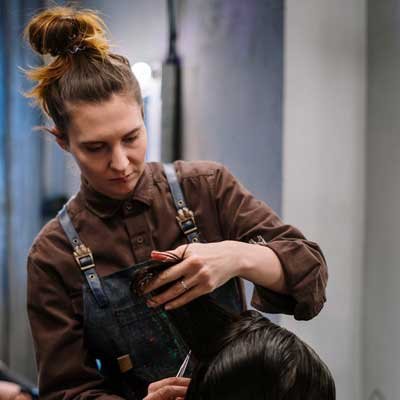
Your face shape is one useful hair cut starting point when choosing a style. However, it should not be treated as a strict rule. Your hair texture, density, natural movement, and personal preference are equally important.
Here is a simple guide:
Oval face hair cut
An oval face is generally quite versatile. Many lengths and styles can work well, including bobs, layers, long styles, and shorter looks.
If you want to try something different, you can experiment with face-framing layers or a short hair cut.
Round face Hair cut
If your face is round, styles that create some vertical movement can help balance the overall appearance. Longer layers, side parts, and styles with volume near the crown may work well.
Very heavy volume directly around the cheeks can sometimes make the face appear wider.
Square face hair cut
Square faces often have a more defined jawline. Softer layers, waves, curtain bangs, or rounded edges can create a balanced look.
You do not have to hide your jawline, though. A sharp bob can also look excellent if you prefer a stronger, more structured style.
Heart-shaped face hair cut
A heart-shaped face is usually wider around the forehead and narrower toward the chin. Soft layers and side-swept or curtain-style fringe can help create balance.
A bob that adds some movement around the jaw can also be an interesting option.
The important point: face shape is a guide, not a rulebook. The best choice is the one that works with your natural hair and makes you feel comfortable.
1. Which hair cut is best for my hair type?
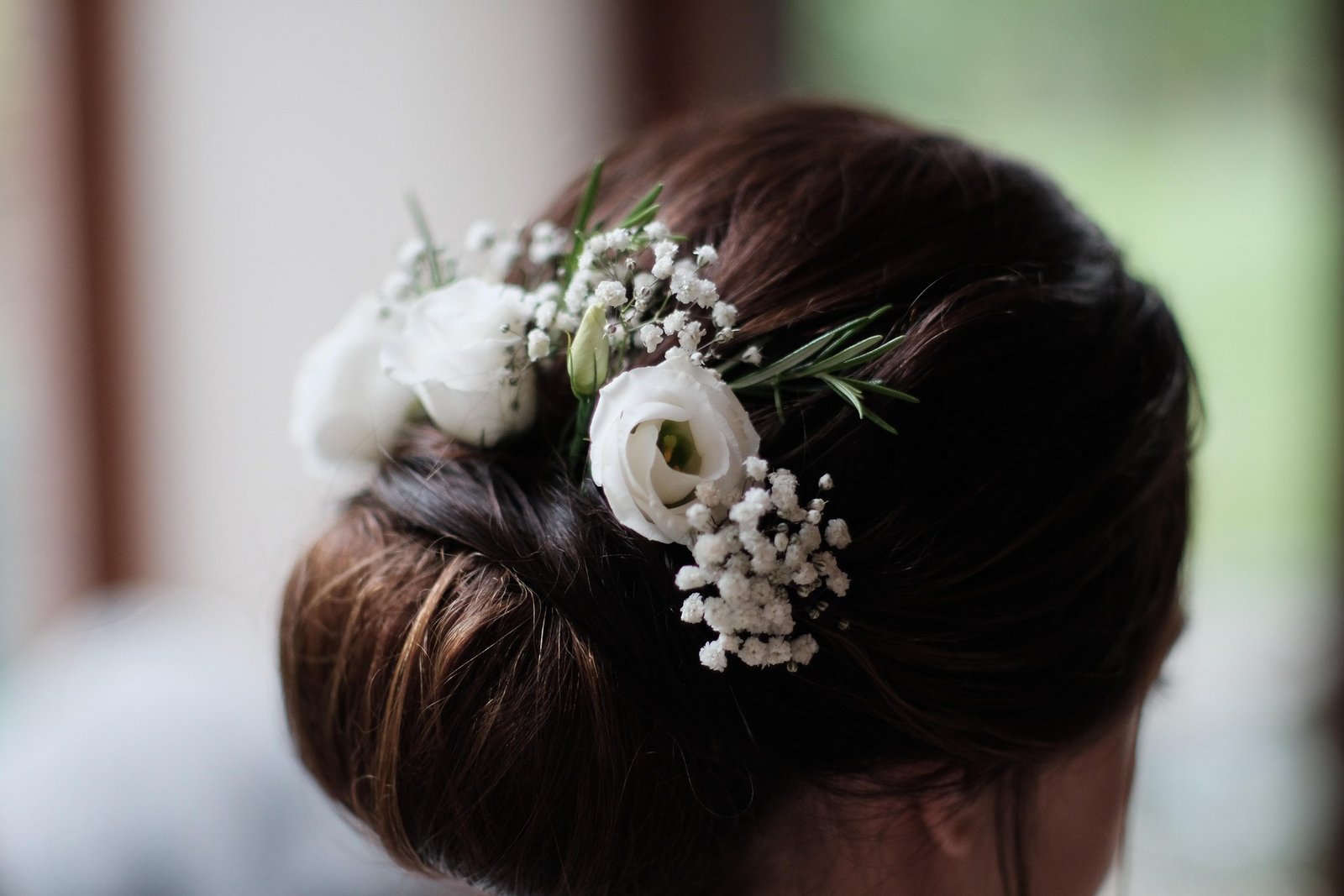
Your hair type should be one of the first things you consider before choosing a style.
Straight, wavy, curly, and coily hair behave differently after they are cut. Even two people with the same face shape may need completely different styles because their hair texture is different.
Straight hair
Straight hair can work particularly well with clean, precise shapes. Blunt bobs, one-length cuts, subtle layers, and face-framing pieces are popular options.
If your straight hair tends to look flat, ask your stylist about a shape that creates movement without removing too much density. Precision cutting and thoughtful weight distribution can make a noticeable difference in how straight hair sits.
Wavy hair
Wavy hair benefits from a cut that respects its natural pattern rather than fighting it.
Layers can bring out movement, while a graduated bob or soft fringe can give waves more shape. A stylist should ideally consider how your hair behaves when it dries naturally because a cut can look different when wet compared with dry hair. Vogue India notes that wavy hair should not simply be treated like straight hair because the natural pattern affects the final shape.
Curly hair
Curly hair needs careful consideration of shrinkage, curl pattern, density, and volume.
A shorter style can actually make curls appear more defined because removing excess weight may allow the curl pattern to move more freely. Short curly bobs, layered shapes, and other cropped styles can work beautifully when adapted to the individual’s curl pattern.
Thick hair
If you have thick hair, your main goal may be controlling excess weight without making the ends look too thin.
Your stylist can use layers or other techniques to distribute the weight. Avoid asking for aggressive thinning without discussing your desired result first, because removing too much density may create unwanted texture or volume.
3. What hair cut is best for thin or fine hair?
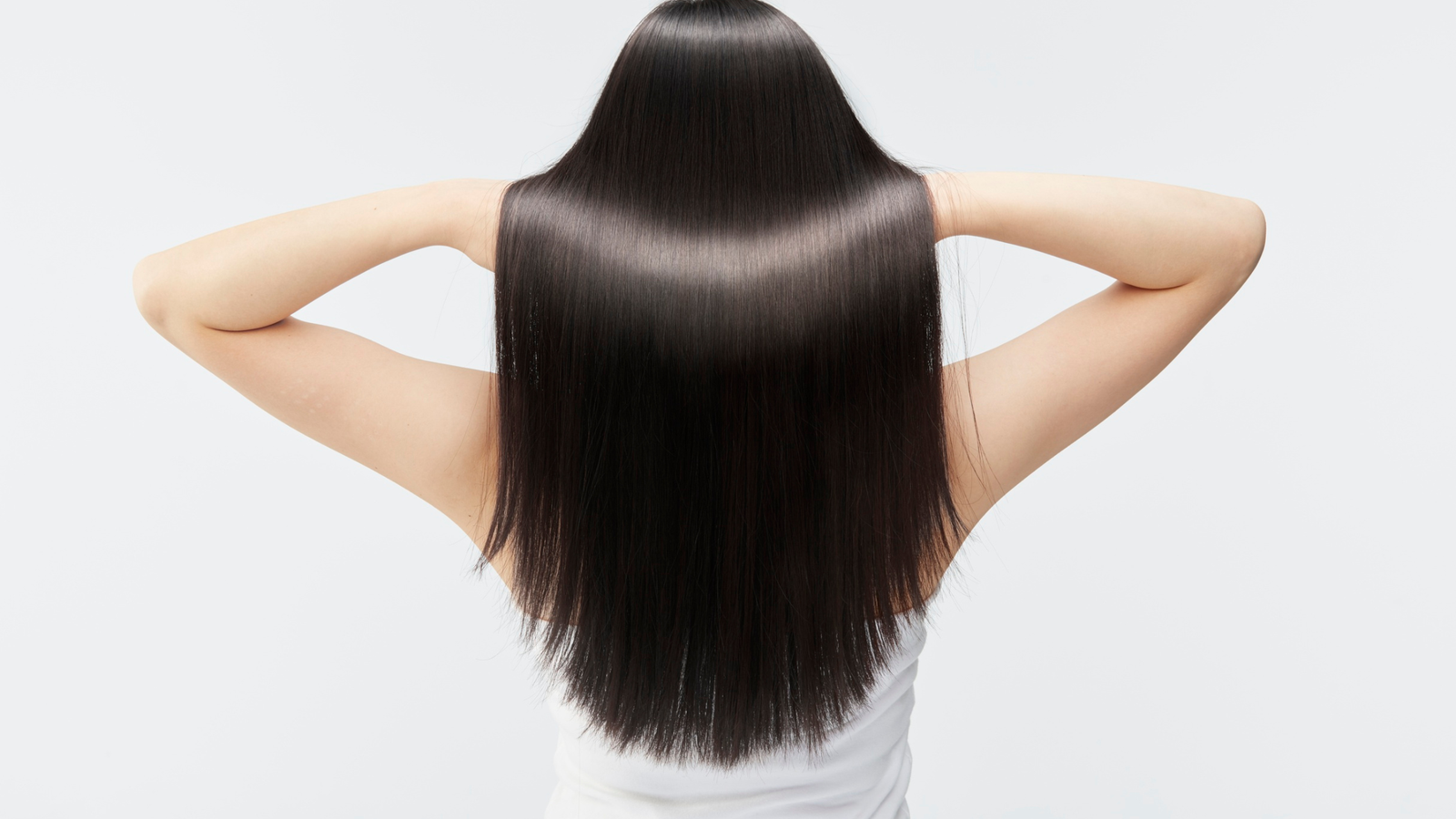
If your hair is fine, you may want a style that makes it appear fuller rather than one that removes too much weight.
A few options worth discussing with your stylist include:
Blunt bob
A clean, blunt shape can make the ends appear thicker. A shorter bob can also reduce the weight pulling the hair downward.
One-length medium hair cut
A medium-length style with minimal layering can create a fuller-looking outline while keeping enough length for different hairstyles.
Soft layers hair cut
Layers are not automatically bad for fine hair, but too many layers can remove visual density. Subtle face-framing layers may provide movement without making the entire head look thinner.
Short hair cut
A shorter style can sometimes make fine hair look more substantial because there is less length weighing it down.
The goal is not simply to make your hair shorter. The goal is to choose a shape that works with your natural density.
YOU CAN ALSO CHECKOUT THIS DETAILD VIDEO https://www.youtube.com/watch?v=lN3_UZq-5XU
4. What hair cut is best for thick, curly or wavy hair?
Thick, curly, and wavy hair can look amazing when the cut works with its natural movement.
For thick hair
Layers can help distribute weight and prevent the shape from feeling too heavy. However, the placement of layers matters.
Tell your stylist whether you want:
- Less bulk
- More movement
- More volume
- A smoother shape
- Easier styling
These goals can lead to very different results.
For curly hair
Curly hair can change dramatically as it dries and shrinks. Before choosing a very short style, discuss the expected dry length with your stylist.
A well-designed shorter style can make curls look lighter and more defined. Vogue India’s 2026 coverage also highlights short curly styles as a growing area of interest, including curly bobs and other cropped shapes.
For wavy hair
Let your natural waves guide the shape.
Instead of trying to force every strand into a straight style, consider layers, soft bobs, curtain fringe, or other cuts that allow the waves to move naturally.
Simple hair-care tip: use a gentle shampoo and conditioner suited to your texture, avoid excessive heat, and do not brush curly or wavy hair aggressively when it is dry.
5.How do I choose the right hair cut for my lifestyle?
This is one of the most important questions to ask before changing your hairstyle.
A style can look incredible in a salon photo but become frustrating if it requires more daily styling than you have time for.
Ask yourself:
How much time do I have in the morning?
If you have only a few minutes, consider a style that looks good with your natural texture.
Do I exercise regularly?
If you frequently work out, a style that can be easily tied back or clipped may be more practical.
Do I use heat-styling tools every day?
If you prefer not to use straighteners or curling tools, tell your stylist. Your natural texture should influence the shape.
Am I comfortable with regular salon visits?
A highly structured short style may require more frequent maintenance than a longer, softer style.
Do I want a dramatic change?
If you are nervous about losing length, consider changing the shape gradually. You can start with a trim or medium-length style before committing to a very short look.
The best choice is often the one you can realistically maintain.
6. What are the latest hair cut trends in 2026?
2026 has brought plenty of variety rather than one single dominant look.
Current beauty coverage points toward shorter bobs, pixie-inspired cuts, soft layers, lobs, bold fringe, graduated bobs, and modern takes on ’90s styles.
Here are a few styles to know about:
The graduated bob
The graduated bob is sharper and more structured than a traditional soft bob. It generally keeps some length around the face while creating lift and shape toward the back.
The short bob
Short bobs continue to be popular in 2026. Vogue India highlights the “itty-bitty bob” as one of the year’s notable styles, with the cut sitting around the jawline.
The off-duty lob
The lob, or long bob, sits around the collarbone and offers a middle ground between short and long hair. It can be a useful option if you want a noticeable change without going extremely short.
Pixie-inspired styles
Pixie cuts continue to evolve, with softer textures and more playful shapes appearing alongside sharper versions.
’90s-inspired cuts
’90s-inspired bobs, layers, pixies, and other styles have returned in modern forms. Vogue India reported increased interest in ’90s haircuts and highlighted several updated versions for 2026.
Wolf cut
The wolf cut remains another noticeable trend in 2026, combining layers and a more relaxed, edgy appearance.
Remember: a trend is inspiration, not an instruction. Your face shape, texture, density, and lifestyle should come before what is currently popular.
7. How can I maintain my hair cut between salon visits?
Getting the right style is only the beginning. Good maintenance helps your hair continue to look its best.
Wash according to your hair needs
There is no universal washing schedule. Oily scalps may need more frequent washing, while dry or textured hair may benefit from less frequent washing.
Choose products based on your scalp and hair type rather than buying something simply because it is popular.
Protect your hair from excessive heat
Frequent use of straighteners, curling irons, and high-temperature blow-drying can contribute to dryness and damage.
Use heat protection when using hot tools and avoid unnecessarily high temperatures.
Do not overload short styles with products
Short hair can become flat or heavy when too much product is used. Vogue India’s 2026 short-hair guidance similarly recommends avoiding heavy amounts of oils, thick creams, and hairspray when styling shorter lengths.
Take care of your ends
Condition your hair regularly and avoid rough towel drying or aggressive brushing.
Protect your hair while sleeping
If your hair tangles easily, consider a smoother pillowcase or a loose, gentle hairstyle at night. Avoid tying hair tightly for long periods.
Do not cut your own layers impulsively
It can be tempting to fix a fringe or uneven section at home. But small mistakes can become much harder to correct, particularly with layered or short styles.
8. What should I tell my hairstylist before getting a hair cut?
Communication can make a huge difference.
Instead of simply saying, “I want this hairstyle,” explain what you want your hair to do.
Tell your stylist: hair cut
- How much length you are comfortable losing.
- Whether you normally wear your hair natural or styled.
- How much time you have for daily styling.
- How often you are willing to visit the salon.
- Whether you use heat-styling tools.
- What you dislike about your current style.
- Whether you want more volume, less volume, more movement, or easier maintenance.
Bring reference photos
Reference photos are extremely useful, but try to bring several pictures rather than relying on just one.
Show:
- A photo of the overall shape you like.
- A photo showing the length you want.
- A photo with a similar hair texture to yours.
- A photo of what you do not want, if necessary.
Remember that your stylist may adjust the reference style for your own hair. The exact same cut may not behave identically on straight, wavy, curly, fine, or very thick hair.
A good consultation is not about copying a picture perfectly. It is about adapting the idea to you.
FAQ
What is the easiest hair cut to maintain?
There is no single easiest style for everyone. A simple one-length or softly layered style can be relatively easy to manage, while the best choice depends on your hair texture and how much styling you want to do.
Is a short hair cut good for thin hair?
It can be. Shorter, structured styles can sometimes make fine hair appear fuller because there is less length weighing it down. Discuss the desired density and shape with your stylist before cutting.
How do I know which style suits me?
Start with your face shape, hair texture, density, lifestyle, and maintenance preferences. Then use photos of styles you like as inspiration.
Is a short hair cut difficult to maintain?
Not necessarily. Some short styles can be very quick to style, but highly structured cuts may require more frequent salon visits to maintain their shape.
Should I wash my hair before getting a hair cut?
It depends on the salon and the service. Some stylists prefer to assess and cut hair in a particular condition, while others wash it as part of the appointment. Ask your salon if you are unsure.
Can a hair cut make hair grow faster?
Cutting the ends does not make hair grow faster from the scalp. However, regular trims can help remove damaged or split ends and keep the hair looking healthier.
Are haircut trends suitable for everyone?
No. Trends are best treated as inspiration. A style should be adapted to your face shape, texture, density, lifestyle, and maintenance preferences.
Conclusion
Choosing the right hair cut does not have to be complicated.
Instead of choosing a style only because it looks good in a photo or is trending on social media, start by understanding your face shape, hair type, hair density, lifestyle, and daily routine.
If you want a short hair cut, think about how much maintenance you are comfortable with. If you have fine hair, consider shapes that preserve the appearance of density. If you have curls or waves, choose a style that works with your natural pattern instead of fighting it.
Most importantly, communicate clearly with your hairstylist. Bring reference photos, explain your routine, and be honest about how much time you want to spend styling your hair.
A great style is not simply one that looks good when you leave the salon. It is one that continues to make you feel confident and comfortable every day.
For more information stay tuned on….https://trimistrysalon.com