Introduction
Healthy-looking hair needs more than regular shampooing. Everyday exposure to pollution, sunlight, heat styling, colouring, chemical treatments, and frequent washing can leave your hair feeling dry, rough, frizzy, or difficult to manage.
This is where a hair spa can become a useful part of your hair-care routine.
If you are new to the idea, you may wonder what actually happens during the treatment, whether it is suitable for men and women, which type is right for your hair, and whether you really need one.
A professional treatment usually combines cleansing, conditioning, massage, and an intensive mask or hair spa cream. Depending on the service, it may also include steaming and a finishing serum. The main purpose is to provide deeper conditioning and improve the look and feel of the hair.
It is important to have realistic expectations. A spa treatment can improve dryness, roughness, frizz, softness, shine, and manageability, but it is not a guaranteed treatment for hair loss or every scalp problem. Persistent hair fall, severe dandruff, itching, or scalp irritation may need professional medical advice.
In this guide, we will explain everything a beginner should know before choosing a treatment.
What is a hair spa treatment?
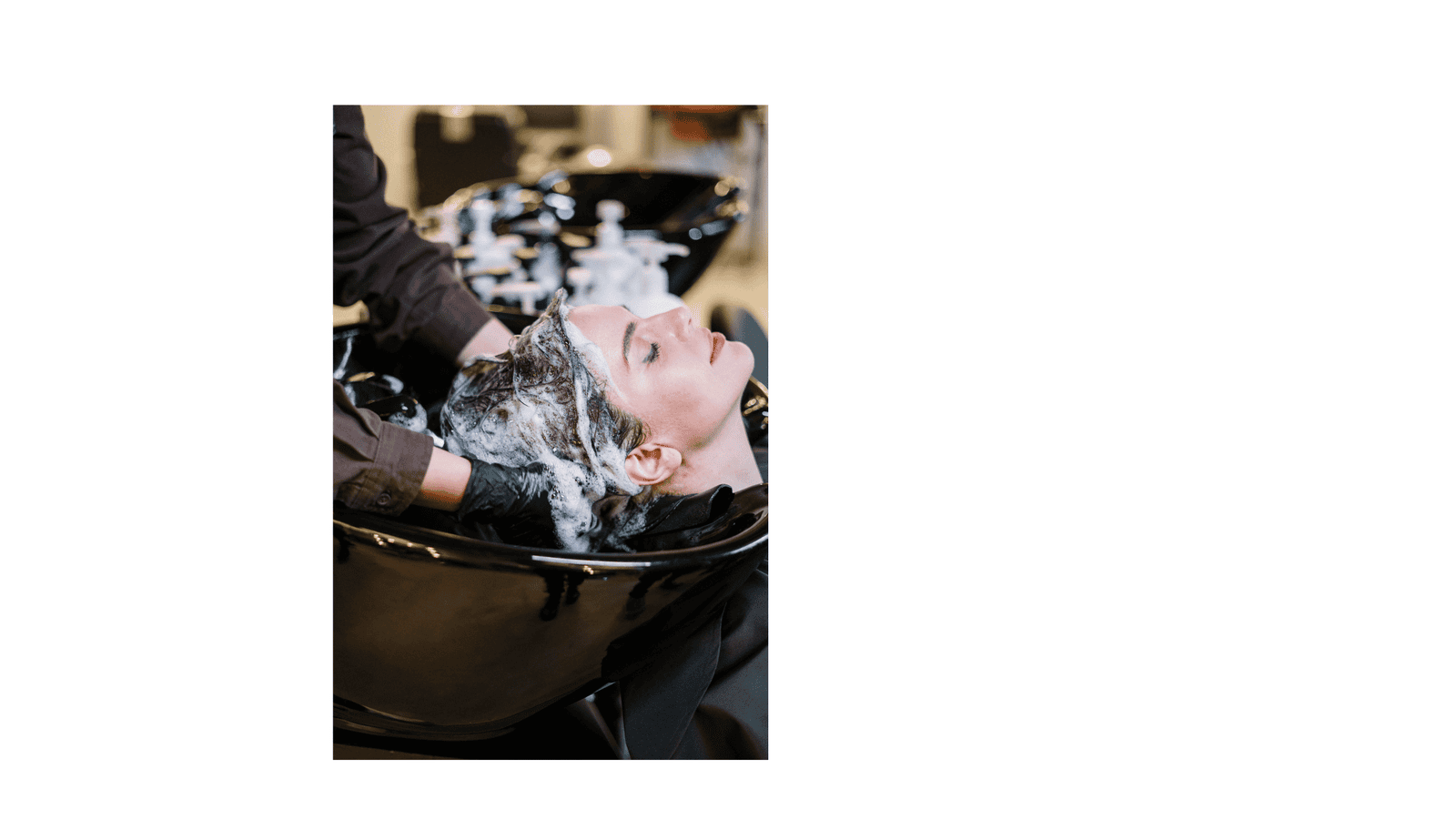
A hair spa treatment is a deep-conditioning and hair-care routine designed to nourish the hair and support a healthier-looking scalp and hair texture.
Unlike a normal conditioner that is usually applied for a few minutes after shampooing, a salon treatment generally involves several steps. These may include:
- Hair and scalp assessment
- Cleansing
- Hair oil massage
- Deep-conditioning mask or hair spa cream
- Scalp massage
- Steam treatment, depending on the service
- Rinsing
- Serum or finishing product
The exact process varies between salons and products.
For example, L’Oréal Professionnel describes the process as including cleansing, a conditioning mask, massage, and steam, followed by rinsing and finishing.
What does it actually do?
The main goal is to improve the condition and appearance of the hair.
A well-selected treatment may help:
- Add moisture to dry hair
- Make rough hair feel softer
- Reduce the appearance of frizz
- Improve shine
- Make hair easier to comb and style
- Provide conditioning after heat or chemical exposure
- Support a comfortable, well-cared-for scalp
However, it is better to think of it as deep hair care rather than a miracle treatment.
If your main concern is severe hair fall, sudden thinning, scalp infection, or persistent dandruff, a salon treatment alone should not replace professional evaluation. Recent expert commentary has also emphasized that hair spas primarily provide conditioning and cosmetic benefits rather than treating the underlying causes of hair loss.
Benefits of good hair spa for men
Hair care is not only for women. Men can also experience dry, rough, oily, or damaged hair, especially if they regularly use styling products, heat, colour, or spend significant time outdoors.
Here are some potential benefits.
1. Helps with dry and rough hair
Frequent shampooing, sun exposure, heat, and styling can make the hair feel dry.
A deep-conditioning treatment can add moisture and make the strands feel softer and easier to manage.
2. Can improve hair texture
If your hair feels rough or looks dull, conditioning treatments can temporarily improve its smoothness and shine.
This can be particularly useful if you use styling products regularly.
3. Helps manage frizz
Humidity and dryness can both contribute to frizzy-looking hair.
A suitable conditioning treatment can help the hair feel smoother and easier to style.
4. Provides scalp massage and relaxation
Many salon services include a gentle scalp massage.
Besides making the appointment relaxing, massage can help distribute products evenly. It should be gentle rather than aggressive, particularly if the scalp is sensitive.
5. Useful after colour or chemical services
Men who colour, bleach, straighten, or chemically treat their hair may experience dryness or roughness.
A conditioning-focused service can help improve the feel and appearance of treated hair.
6. Helps with everyday styling
When hair is properly conditioned, it can become easier to comb, shape, and style.
This does not mean the treatment permanently changes your hair. The results are generally temporary and depend on your hair condition and home-care routine.
CHECK OUT THE DETAILD VIDEO https://www.youtube.com/watch?v=Bb4k70bdYik&t=43s
Benefits of good hair spa for women
6 Hair Spa Benefits: Complete Guide & Hair Care
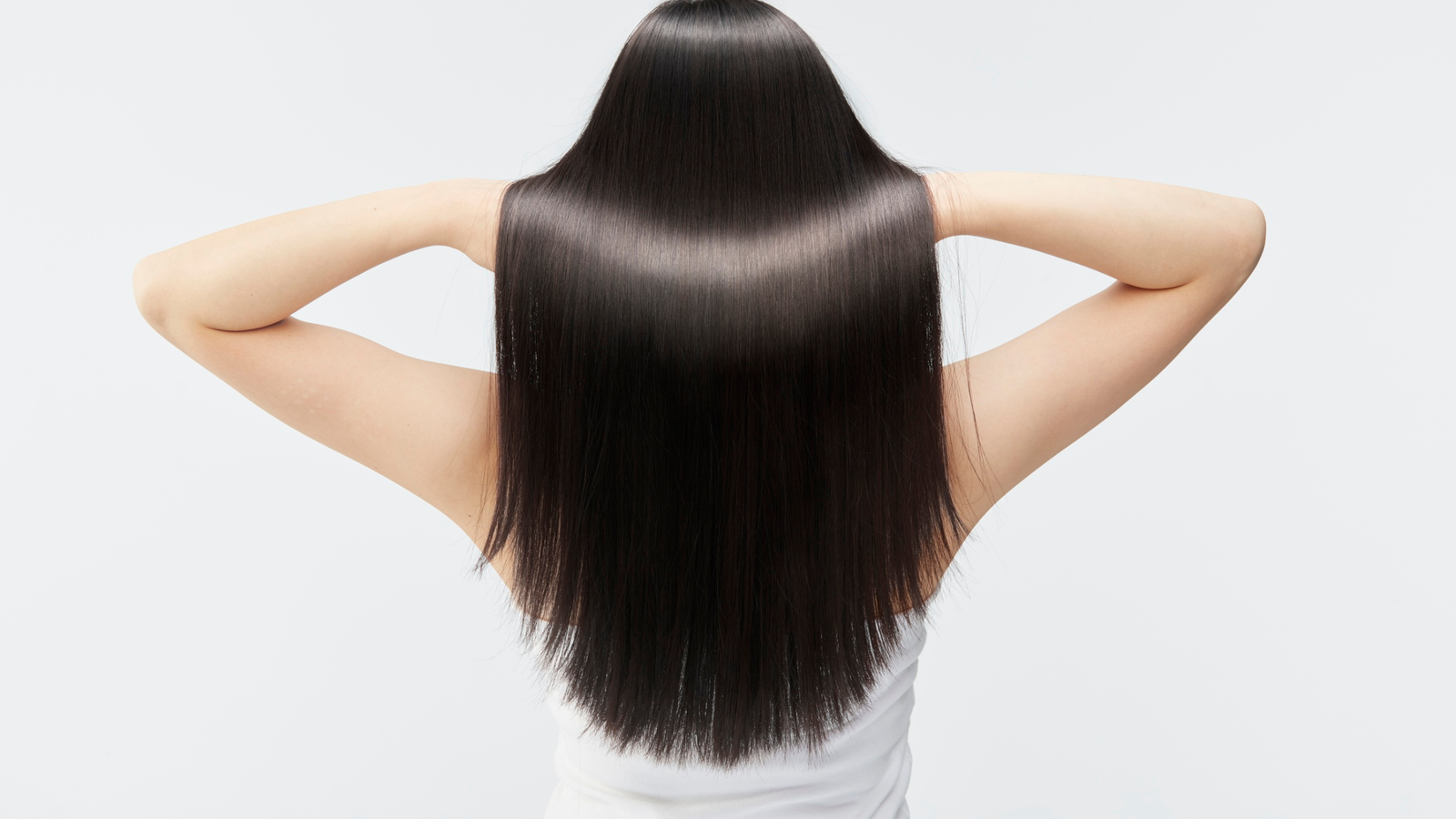
Women may experience many of the same benefits, but long hair and frequent styling can create additional hair-care challenges.
1. Deep conditioning for dry lengths
Long hair often has older ends that have experienced more washing, brushing, sunlight, and heat exposure.
A nourishing treatment can help improve the feel of dry lengths and ends.
2. Helps improve shine
Dull-looking hair can benefit from conditioning and smoothing products that help the surface look more polished.
3. Helps manage frizz
If your hair becomes difficult to control in humid weather, a suitable conditioning treatment can make it feel smoother and easier to manage.
4. Useful for heat-styled hair
Regular straightening, curling, and blow-drying can contribute to dryness and damage.
Deep conditioning can support the appearance and feel of stressed hair, although it cannot completely reverse structural damage.
Different types of spa treatment
There is no single treatment that works best for every person.
The right option depends on your scalp condition, hair texture, dryness, damage, colour treatment, and personal concerns.
Here are some common categories.
1. Moisturising hair spa
This is generally aimed at dry, dehydrated, or rough hair.
It focuses on adding moisture and improving softness and manageability.
Best suited for:
Dry, rough, frizzy, or dehydrated hair.
2. Repairing hair spa
Repair-focused treatments are designed for hair that looks stressed after colouring, bleaching, chemical treatments, or frequent heat styling.
They usually focus on conditioning and improving the feel of damaged lengths.
Best suited for:
Chemically treated or heat-stressed hair.
3. Smoothing hair spa
A smoothing-focused service is designed for hair that feels rough, unruly, or difficult to manage.
It can help improve softness and reduce the appearance of frizz.
Best suited for:
Frizzy, coarse, or difficult-to-manage hair.
4. Purifying or scalp-focused treatment
If your main issue is excess oil or product buildup, a scalp-focused service may be more appropriate than applying a very rich mask.
Scalp treatments can include cleansing or exfoliation designed to remove buildup. Modern scalp-care routines may also use ingredients such as salicylic acid, niacinamide, or tea tree oil depending on the product.
Best suited for:
Oily scalp or product buildup.
5. Hydrating and soothing treatment
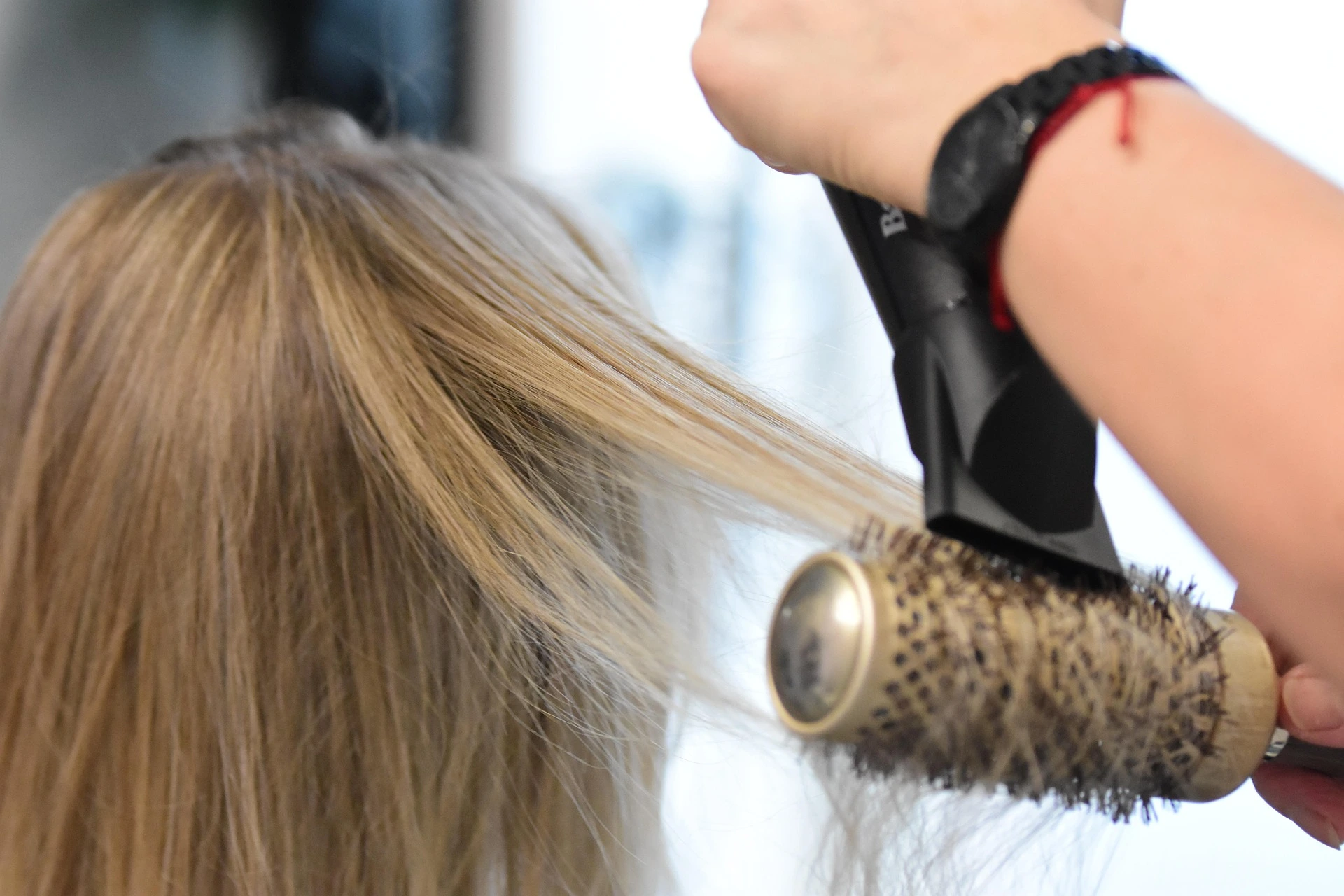
A lighter, soothing approach may be appropriate when the scalp feels dry or uncomfortable.
However, persistent itching, inflammation, or flaking should not automatically be treated as a cosmetic problem. If symptoms continue, consult a dermatologist.
6. Oil-based hair treatment
Hair oils can be used as part of some routines, especially as a pre-shampoo treatment.
Common choices include coconut, almond, argan, jojoba, and other plant-based oils. Hair oiling can help improve the appearance of shine and moisture, although the best oil depends on your hair and scalp.
How to choose good hair spa for your hair type?
The biggest mistake beginners make is choosing a treatment only because the name sounds attractive.
Instead, start with your hair and scalp concern.
For dry hair
Look for a moisturising treatment with conditioning ingredients.
A richer hair spa cream may work better for coarse or very dry hair, while fine hair may need a lighter formula.
For oily hair
Avoid automatically choosing the richest oil or cream.
A scalp-focused cleansing treatment may be more appropriate if excess oil and product buildup are your main concerns.
For fine hair
Fine hair can become weighed down easily.
Choose lightweight conditioning products and avoid applying large amounts of heavy creams or oils close to the scalp unless recommended for your specific needs.
For thick or coarse hair
Thicker hair may tolerate richer conditioning products better.
A nourishing mask or cream can help improve softness and manageability.
For curly or wavy hair
Look for moisture and frizz control while respecting your natural texture.
Avoid choosing a treatment simply because it promises perfectly straight-looking hair if your goal is to maintain your natural curls or waves.
For coloured or chemically treated hair
Choose a treatment designed for damaged or colour-treated hair.
Tell your stylist what chemical services you have had recently. This helps them select products that are appropriate for your hair’s current condition.
For a sensitive scalp
Be careful with heavily fragranced products, strong exfoliants, or essential oils if your scalp reacts easily.
A patch test can be useful when trying a new product, especially if you have experienced reactions before.
Common ingredients used in hair spa treatment
Different products contain different formulas, but you may commonly see ingredients that focus on moisture, conditioning, smoothing, or scalp care.
Coconut oil
Coconut oil is widely used in hair-care routines and can help improve the condition and appearance of hair. Research discussed by Cleveland Clinic notes evidence around coconut oil and hair-fibre strengthening.
Argan oil
Argan oil is commonly used in conditioning and finishing products to add softness and shine.
Almond oil
Almond oil is a popular lightweight oil used in hair-care routines. It may be suitable for people who prefer a less heavy oiling approach.
Jojoba oil
Jojoba oil has a relatively lightweight feel and is often used in scalp and hair products.
Shea butter
Shea butter is a rich conditioning ingredient that can be useful in products designed for dry or coarse hair.
Aloe vera
Aloe vera is commonly included in soothing and hydrating hair-care products.
Hair spa cream
A hair spa cream is usually a concentrated conditioning product used during the treatment. The formula can vary significantly between brands.
Some creams are designed for hydration, while others focus on repair, smoothing, colour care, or scalp-related needs.
Important: More ingredients do not automatically mean a better product. The best formula is the one suited to your hair and scalp.
Hair oils: should you use them before a spa treatment?
Hair oils can be a useful part of a hair-care routine, but more oil is not always better.
A simple oiling routine may involve applying a small amount of suitable oil to the scalp and/or lengths, gently massaging it, and washing it out afterward.
For dry or damaged lengths, oil can help improve the feel and appearance of the hair. However, people with oily scalps may prefer a lighter amount or may choose to focus oil on the lengths rather than the scalp.
Cleveland Clinic notes that hair oiling can add moisture and shine, while also emphasizing that hair type and individual circumstances matter.
Simple hair-oiling tips
- Use a small amount instead of soaking your hair.
- Massage gently rather than scratching the scalp.
- Do not use extremely hot oil.
- Shampoo thoroughly afterward.
- Stop using an oil if it causes irritation.
- If you have a scalp condition, ask a dermatologist before applying oils directly to the scalp.
Remember: hair oils can support conditioning, but they are not a guaranteed cure for hair loss or scalp disease.
FAQ
What is a hair spa?
It is a deep-conditioning hair-care treatment that commonly combines cleansing, massage, a nourishing mask or cream, and sometimes steam and finishing products. The goal is to improve moisture, softness, shine, texture, and manageability.
Is hair spa good for hair?
It can be useful for dry, rough, frizzy, dull, or chemically treated hair by providing deeper conditioning. Results are generally cosmetic and temporary, so regular home care remains important.
Can men get a hair spa?
Yes. Hair and scalp care is not gender-specific. Men can benefit from conditioning treatments when their hair is dry, rough, frizzy, damaged, or difficult to manage.
Can women get a hair spa?
Yes. It can be particularly useful for people dealing with dryness, frizz, heat damage, colour-treated hair, or rough lengths.
How often should you get a hair spa?
There is no universal schedule. It depends on your hair condition and the type of treatment. L’Oréal Professionnel currently suggests that dry or damaged hair may need treatment more frequently than normal hair, while maintenance treatments can be spaced further apart.
Is hair spa good for hair fall?
A spa may improve the condition and appearance of the hair, but it should not be considered a treatment for the underlying causes of hair loss. If you are experiencing persistent or sudden hair fall, speak with a dermatologist or qualified healthcare professional.
Conclusion
A hair spa can be a simple way to give dry, rough, frizzy, dull, or damaged hair some extra conditioning and care.
The most important thing is to choose the treatment according to your actual hair and scalp needs rather than selecting a service simply because it is popular.
If your hair is dry, look for moisture-focused care. If it is damaged from colour or heat, consider a repairing treatment. If your scalp is oily or has product buildup, a scalp-focused option may make more sense. For curly or wavy hair, choose products that support your natural texture.
You can also include hair oils in your routine when they suit your hair, and a suitable hair spa cream can provide additional deep conditioning during a treatment.
Most importantly, remember that salon treatments work best when combined with simple daily habits: gentle washing, regular conditioning, limited excessive heat, careful detangling, and protection from unnecessary damage.
Healthy-looking hair is not created by one treatment. It comes from consistent care and choosing products and treatments that match your individual hair needs.
CHECK OUT OUR WEBSITE… https://trimistrysalon.com