
Introduction
Choosing a new hair colour can completely change your appearance, but if you are colouring your hair for the first time, the number of choices can feel confusing.
Should you choose brown, caramel, burgundy, copper, blonde, or something closer to your natural shade? Should you get global colour, highlights, balayage, or simply a root touch-up? And will colouring damage your hair?
The right choice depends on more than just the shade you like in a picture. Your skin undertone, natural hair colour, hair condition, lifestyle, maintenance routine, and the result you want all matter.
This is especially important for people with naturally dark or black hair. A shade that looks simple in a photograph may require several steps to achieve on a darker base.
Current colour guidance also focuses more on personalised results rather than choosing a hair color shade simply because it is trending. Vogue India’s 2026 expert guide recommends considering complexion, facial proportions, hair condition, and how much maintenance you are realistically willing to do.
In this beginner-friendly guide, we will explain the different options, how to choose a suitable shade, how long colour lasts, whether bleach is necessary, and how to care for coloured hair.
How do I choose the right hair colour for my skin tone?
Your skin tone is a useful starting point, but your undertone is often more helpful when choosing a flattering shade.
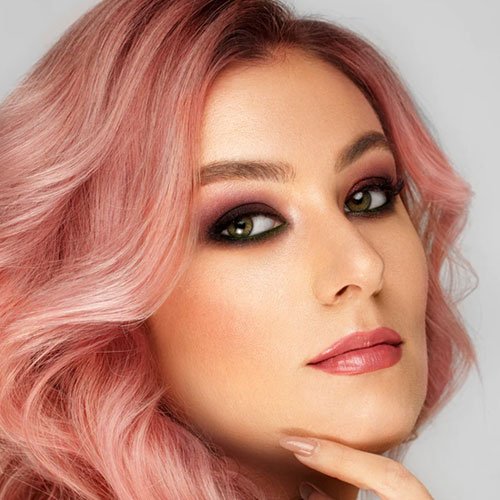
Your skin tone refers to the overall depth of your complexion, while your undertone is the subtle colour underneath it.
Undertones are generally grouped into three categories:
- Warm
- Cool
- Neutral
Warm undertones
Warm undertones often have golden, yellow, peach, or warm-looking tones.
You may want to explore shades such as:
- Caramel brown
- Golden brown
- Honey
- Chestnut
- Warm chocolate
- Copper
- Warm auburn
Cool undertones
Cool undertones can have pink, reddish, or bluish hints.
Possible options include:
- Ash brown
- Cool chocolate
- Plum
- Burgundy
- Cool black
- Ash blonde
Neutral undertones
If your undertone is neutral, you may be able to wear both warm and cool shades comfortably.
This gives you more freedom to experiment.
Consider your natural hair colour too
Your starting shade matters.
For example, someone with naturally black hair who wants a light blonde colour will need a very different process from someone who already has light brown hair.
That is why a professional consultation is useful before a major colour change.
1. Which hair colour looks best on Indian skin tones?
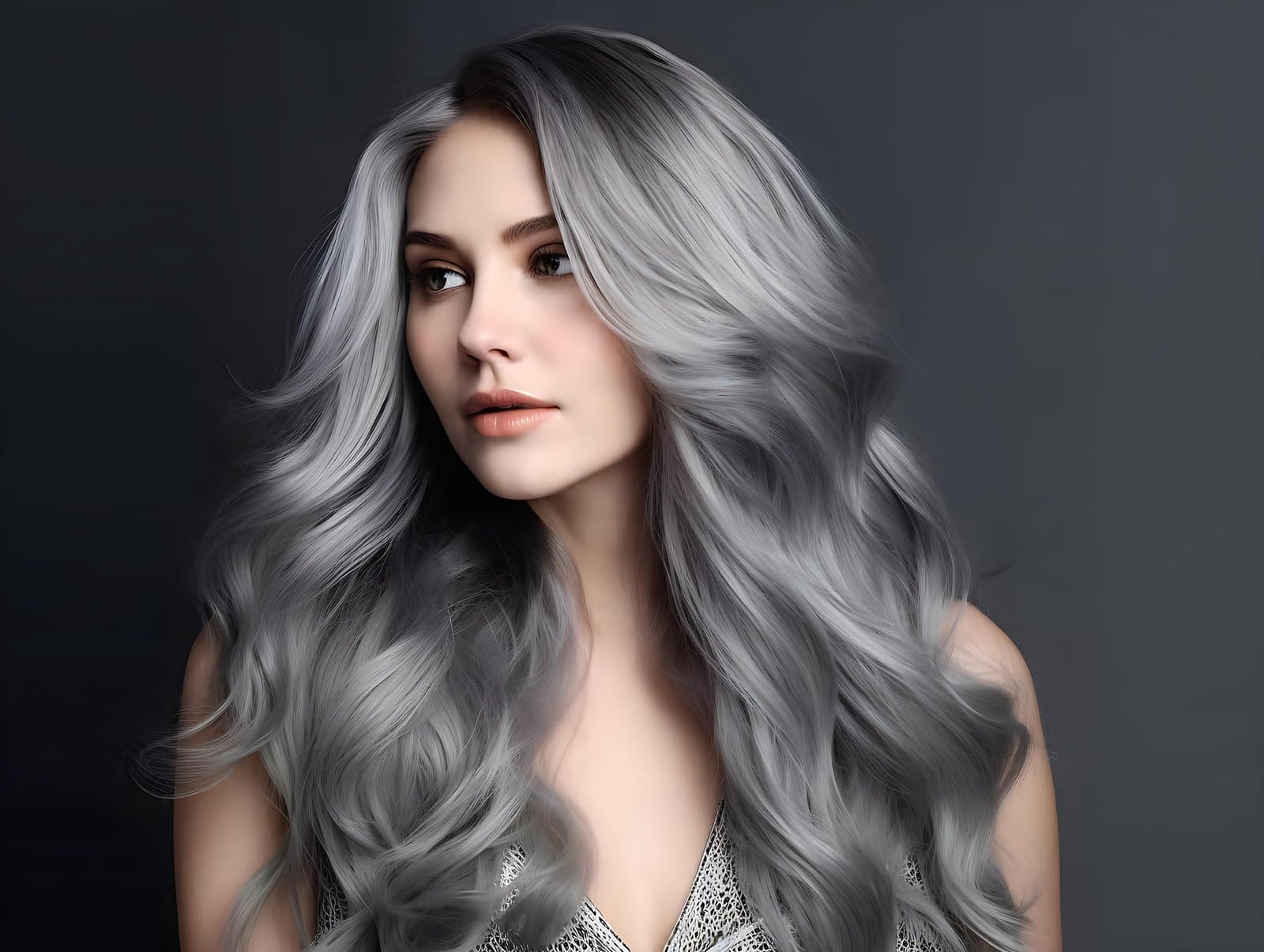 There is no single shade that is best for every Indian complexion.
India has a wide variety of skin tones and undertones, so a shade that suits one person may not produce the same effect on another.
However, several shades are popular because they can work beautifully with naturally dark Indian hair.
Chocolate brown
Chocolate brown is a popular choice if you want a noticeable but relatively natural-looking change.
It adds richness without making the hair look dramatically lighter.
Caramel
Caramel can add warmth and dimension, especially when used as highlights or balayage.
Burgundy
Burgundy is a good option if you want something more noticeable while still keeping a darker overall appearance.
Coffee brown
Coffee, espresso, and deep brown shades can make naturally dark hair look richer and more polished.
Copper
Copper is a warmer and more noticeable option. It can be used as an all-over colour or through highlights.
Ash brown
Ash brown can work well when a cooler result is desired and suits the person’s undertone and existing hair colour.
The important thing is not to choose a colour only because someone says it is “best for Indian skin.”
Your colourist should consider your undertone, natural hair colour, previous treatments, and the amount of maintenance you are comfortable with.
2. What are the different types of hair colour?
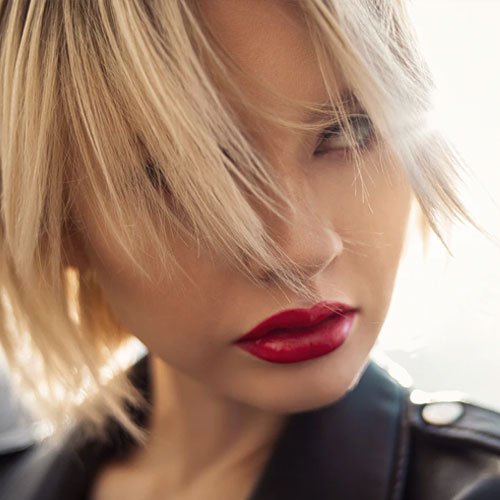
When you visit a salon, you may hear terms such as global colour, highlights, balayage, root colour, and semi-permanent colour.
These terms can describe either the type of colour product or the way the colour is applied.
Global hair colour
Global colour means applying one overall colour throughout the hair.
It can be useful if you want:
- An overall colour change
- Grey coverage
- A richer version of your natural shade
- A more uniform appearance
Highlights
Highlights add lighter sections to the hair rather than colouring every strand.
They can create dimension and make the hair look more dynamic.
Lowlights
Lowlights add darker sections to create depth and contrast.
Balayage
Balayage is a highlighting technique that creates a blended, graduated appearance.
It is popular with people who want dimension without a strong, obvious line between natural roots and coloured hair.
Ombré
Ombré usually creates a transition from darker roots to lighter lengths and ends.
Root touch-up
A root touch-up focuses on new growth close to the scalp.
It can be useful for grey coverage or maintaining an existing colour.
Fashion colours
These include shades such as:
- Pink
- Purple
- Blue
- Green
- Bright red
These colours can require significant lightening when the starting hair is very dark.
L’Oréal Paris India’s current 2026 guide also separates colour products from colour techniques, covering permanent, semi-permanent, demi-permanent, temporary colour, highlights, balayage, and other styles.
3. What is the difference between permanent, semi-permanent and temporary hair colour?
The main difference is how the colour interacts with the hair and how long it generally lasts.
Permanent colour
Permanent colour is designed to provide long-lasting results.
It can be used for:
- Significant colour changes
- Grey coverage
- Darker or lighter colour transformations
Because permanent colour involves chemical processing, your stylist should assess your hair before applying it.
L’Oréal Paris currently describes permanent colour as long-lasting and notes that it can last for many washes, although roots eventually need maintenance as the hair grows.
Semi-permanent colour
Semi-permanent colour generally fades gradually rather than creating the same long-term commitment as permanent colour.
It can be useful when you want:
- A subtle colour change
- Added tone
- Shine
- A colour refresh
- Lower-maintenance experimentation
The exact lifespan varies by product and washing routine.
Temporary colour
Temporary colour is designed for short-term use.
Depending on the product, it may wash out after one or a few washes.
It can be useful for:
- Parties
- Festivals
- Special events
- Trying a new shade
- Temporary root coverage
Which should you choose?
Think about your commitment level.
Want a long-lasting change? Consider permanent colour.
Want something more flexible? Semi-permanent may be suitable.
Want to experiment temporarily? A temporary product may be the better choice.
4. Does hair colour damage your hair?
Colouring does not automatically mean your hair will become damaged, but some chemical processes can make hair more vulnerable to dryness, breakage, or changes in texture.
The potential effect depends on:
- Your starting hair condition
- How much lighter you want to go
- Whether bleaching is required
- Previous colour treatments
- Chemical treatments
- Heat styling
- How frequently you colour
- Your aftercare routine
Why can bleaching be more damaging?
If you want to move from very dark hair to a much lighter shade, the natural pigment has to be lifted.
Bleaching or strong lightening can weaken the hair fibre and make it more susceptible to damage. Cleveland Clinic notes that products that bleach or lighten hair can strip part of the hair’s protective coating, leaving the hair shaft more vulnerable.
How can you reduce unnecessary damage?
Before colouring:
- Tell your stylist about previous colour.
- Mention any recent chemical treatments.
- Be honest about your hair history.
- Ask whether your hair is healthy enough for the planned service.
- Consider a strand test when recommended.
After colouring:
- Use suitable colour-care products.
- Condition regularly.
- Reduce unnecessary heat styling.
- Use heat protection.
- Avoid repeated chemical processing without a reason.
If you experience significant scalp irritation, itching, redness, scaling, or blistering after using colour, stop using the product and seek medical advice.
5. How long does hair colour last?
There is no universal number of days or weeks because colour longevity depends on the product, your hair, and your routine.
Factors that affect colour longevity
Type of colour: Temporary colour generally fades faster than semi-permanent or permanent colour.
Washing frequency: Frequent washing can cause some colours to fade more quickly.
Water temperature: Very hot water can be harsh on the hair and may contribute to faster fading.
Heat styling: Frequent use of straighteners, curling irons, and high-temperature blow-drying can affect the condition and appearance of coloured hair.
Sun exposure: Prolonged exposure to sunlight can affect colour over time.
Hair porosity: Hair that is highly porous or damaged may hold colour differently from healthier hair.
For example, L’Oréal Paris currently lists permanent colour as lasting up to around 32 washes for some products, while semi-permanent products can vary from several washes to several weeks depending on the formula.
So instead of expecting every colour to last the same amount of time, follow the instructions for the specific product or service you receive.
6. How often should you touch up your hair colour?
Your maintenance schedule depends on the type of colour you have.
Someone covering grey roots may need more frequent appointments than someone with balayage.
You may need a touch-up when:
- Grey roots become visible.
- New growth creates a noticeable contrast.
- Your colour has faded.
- Your highlights have lost their brightness.
- Your toner has faded.
- You want to refresh the overall tone.
Balayage can be lower maintenance
Because balayage is blended rather than creating a sharp line at the roots, regrowth can appear softer.
This does not mean balayage never needs maintenance. A colour refresh, toner, or gloss may still be useful depending on your desired result.
Current 2026 colour trends are also moving toward softer, blended and lower-maintenance colour. Vogue India recently highlighted French-girl highlights as a softer, grown-out approach to traditional highlighting.
Don’t over-process your hair
You do not necessarily need a full colour service every time you visit the salon.
Sometimes you may only need a root touch-up or colour refresh.
Ask your stylist what your hair actually needs before repeating a full chemical service.
7. Can I colour dark or black hair without bleach?
Yes, some shades can be achieved on dark hair without bleaching, but there are limits.
If you have naturally black or very dark hair, you can often explore darker or richer shades such as:
- Chocolate brown
- Dark brown
- Burgundy
- Cherry red
- Mahogany
- Deep plum
L’Oréal Paris India’s current no-bleach guide specifically highlights shades such as burgundy, caramel brown, chocolate brown, mahogany, cherry red, and deep plum for darker bases.
When might bleach be necessary?
If you want to go significantly lighter—for example:
- Platinum blonde
- Very light blonde
- Pastel pink
- Pastel purple
- Bright fashion colours
—you will generally need a lightening process to remove enough existing pigment for the new shade to show clearly.
What if your hair has already been coloured black?
This is different from naturally black hair.
Previously coloured dark hair can be more complicated to lighten. Your stylist may need to assess the existing pigment and decide whether colour correction or multiple sessions are necessary.
Do not assume that applying a lighter box colour over previously coloured black hair will make it blonde or light brown.
8. How do I maintain my hair colour after colouring?
Your aftercare routine can make a big difference in how your colour looks and how your hair feels.
Use products made for coloured hair
Choose a suitable shampoo and conditioner designed for your colour and hair type.
Your stylist can recommend products based on whether your hair is dry, oily, curly, fine, thick, or chemically treated.
Avoid excessive washing
You do not necessarily need to wash your hair every day.
Your ideal washing schedule depends on your scalp, hair type, activity level, and personal needs.
Use lukewarm water
Extremely hot water can leave hair feeling dry.
Lukewarm water is generally a gentler choice.
Protect your hair from heat
If you use:
- Straighteners
- Curling irons
- Blow dryers
use a heat-protectant product and avoid unnecessarily high temperatures.
Condition regularly
Coloured hair can benefit from regular conditioning, especially if it has also been lightened.
A deep-conditioning treatment or hair spa can be considered when your hair feels particularly dry or rough.
Protect your hair from the sun
If you spend a lot of time outdoors, reduce prolonged direct sun exposure when possible. A hat is a simple way to provide physical protection.
Don’t immediately DIY a colour correction
If your colour turns out warmer, darker, or lighter than expected, resist the temptation to immediately apply another colour over it.
A professional colourist can determine whether you need a toner, gloss, colour refresh, or correction.
9. What are the latest hair colour trends in 2026?
The biggest shift in 2026 is toward rich, dimensional and more wearable hair colour rather than colour that looks extremely artificial.
Vogue India’s 2026 trend coverage highlights richer brunettes, softer blondes, warm reds, bronde blends, burnt copper, wine brunette, and other dimensional shades.
Here are some of the trends worth knowing.
Bronde blends
Bronde combines brown and blonde to create a softer, dimensional result.
It can include caramel, honey, biscuit, or golden tones.
Vogue India has specifically highlighted bronde blends as a 2026 trend for Indian skin tones, using techniques such as ombré highlights, French balayage, and babylights.
Rich brunette
Deep brunette shades are a great option if you want your natural dark hair to look richer and more polished.
Caramel dimension
Caramel highlights can add warmth without completely changing a dark base.
Burnt copper
Copper continues to be popular, with deeper versions offering a more wearable alternative to extremely bright orange tones.
Wine brunette
This combines a deep brunette base with subtle red or copper reflections.
It can be a good choice if you want colour that is noticeable in the light but still relatively dark overall.
French-inspired highlights
French highlights are a softer, lower-maintenance approach to highlighting, designed to grow out naturally rather than looking heavily processed.
The bigger trend: healthy-looking hair
Perhaps the most useful trend is not a particular shade.
In 2026, colour is increasingly being paired with healthy-looking, glossy and well-maintained hair rather than simply chasing the lightest or brightest colour possible.
WATCH THE DETAILED VIDEO HERE https://www.youtube.com/watch?v=6UCUIBDN3g8
FAQ
Which hair colour is best for beginners?
If you are colouring your hair for the first time, consider starting with a shade relatively close to your natural colour. Chocolate brown, coffee brown, subtle caramel highlights, or a soft balayage can provide a visible change without requiring an extreme transformation.
Which hair colour is best for Indian skin?
There is no single best shade for all Indian skin tones. Chocolate brown, caramel, burgundy, coffee, copper, and bronde can all work depending on your undertone, natural hair colour, and desired look.
Can I colour black hair without bleach?
Yes, certain darker and richer shades can be applied without bleach. However, very light colours and many bright fashion shades usually require lightening first.
Does hair colour permanently damage hair?
Not every colouring service causes the same level of damage. Lightening and bleaching can place more stress on the hair than simply depositing a darker shade. Your starting hair condition and aftercare also matter.
How often should I colour my hair?
There is no fixed schedule. It depends on your colour, roots, grey coverage, fading, and hair condition. Ask your colourist whether you need a full colour, root touch-up, toner, or refresh.
Is balayage better than global colour?
Neither is automatically better. Balayage is useful for blended dimension and softer regrowth, while global colour is suitable when you want an overall, more uniform shade.
Conclusion
Choosing the right hair colour is not simply about picking the shade that looks best in a social-media photograph.
Your natural hair colour, skin undertone, hair condition, lifestyle, and willingness to maintain the colour all play an important role.
If you are a beginner, you can start with something subtle such as chocolate brown, coffee brown, caramel highlights, or a soft balayage. If you want a major transformation, speak with a professional colourist first so you understand what the process will involve.
For naturally black or dark hair, no-bleach options can provide beautiful results in shades such as burgundy, chocolate brown, mahogany, and deep plum. However, very light or vivid colours may require a lightening process.
Once your colour is done, don’t forget about aftercare. Gentle washing, regular conditioning, heat protection, and sensible touch-ups can help your hair stay glossy and your colour look fresh.
And while 2026 has brought exciting trends such as bronde, rich brunette, burnt copper, wine brunette, and softer highlights, you don’t have to follow every trend.
The best colour is the one that suits you, your hair, your lifestyle, and the look you want to maintain.
check out more details. https://trimistrysalon.com