
Introduction
Finding the best sunscreen for men can feel confusing when there are so many SPF numbers, textures, ingredients, and formulas available. One sunscreen may promise a matte finish, another may focus on hydration, while another may be designed for acne-prone skin. For someone buying sunscreen for the first time, it can be difficult to know what actually matters.
The good news is that choosing the best sunscreen for men does not require understanding every ingredient on the label. You mainly need to understand a few important things: broad-spectrum protection, SPF, UVA protection, your skin type, the texture you prefer, and whether you will actually use the product consistently.
Sunscreen is not only about avoiding sunburn. Regular exposure to ultraviolet radiation can contribute to premature skin aging, pigmentation, tanning, and other forms of skin damage. A good sunscreen protects your skin while fitting comfortably into your daily grooming routine.
For men, comfort is especially important. If a sunscreen feels sticky, greasy, leaves an obvious white cast, or causes breakouts, you may stop using it. That is why the best sunscreen for men is not necessarily the most expensive product or the one with the highest SPF number. It is a product that provides appropriate protection and feels comfortable enough to use regularly.
Your skin type also matters. Men with oily or acne-prone skin may prefer a lightweight gel or non-comedogenic formula. Dry skin may feel better with a moisturizing cream or lotion. Sensitive skin may benefit from a simple fragrance-free formula, while men who spend a lot of time outdoors may want a water-resistant option.
This guide explains how to choose the best sunscreen for men without making skincare unnecessarily sunscreen for men complicated. You will learn what SPF means, how much to apply, how often to reapply, which formula works for different skin types, and what mistakes to avoid.
1. Why should men use sunscreen every day as part of their skincare routine?
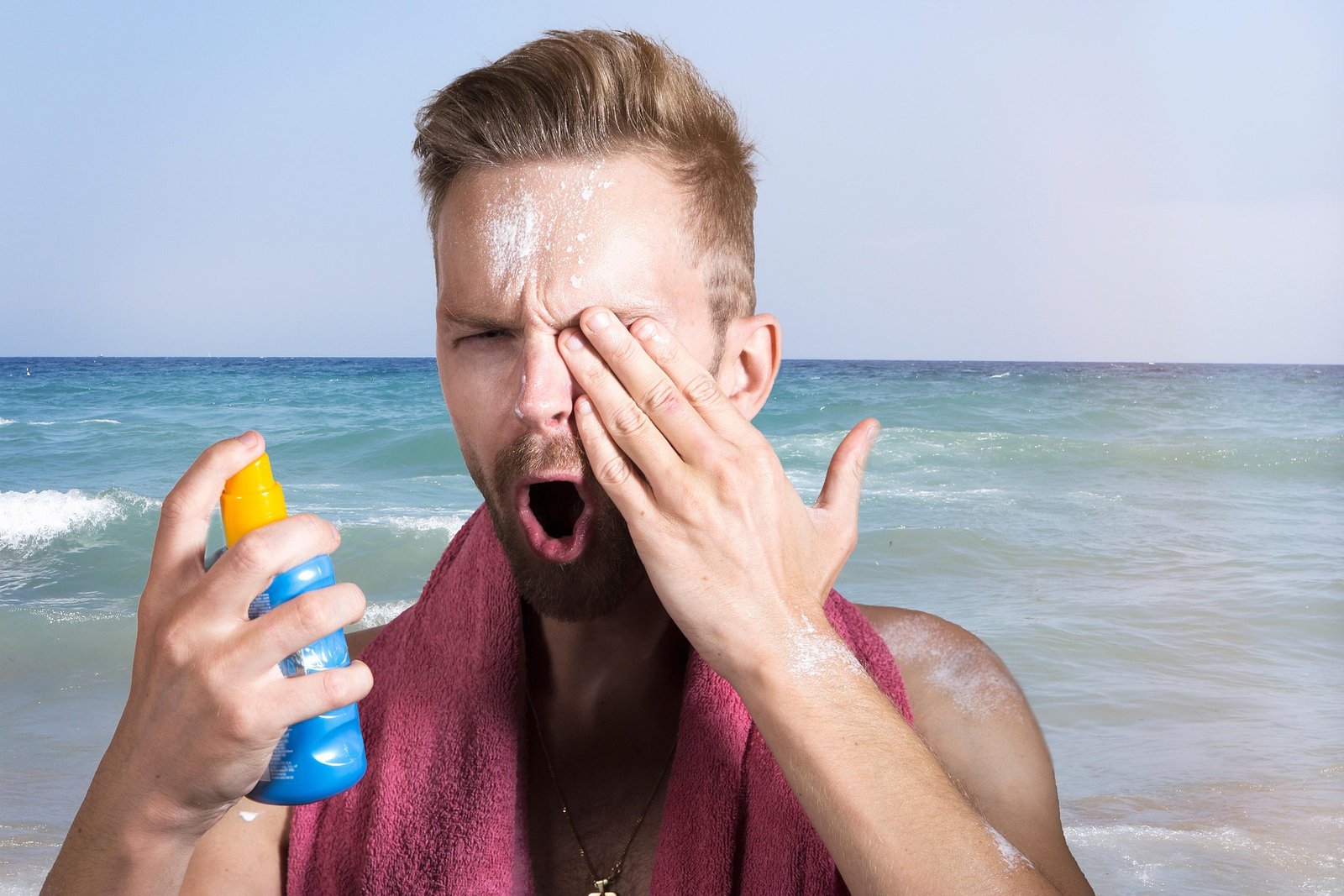
Sunscreen is one of the most important products for protecting exposed skin from ultraviolet radiation.
UV radiation reaches your skin during everyday activities such as walking outside, commuting, exercising, shopping, travelling, or sitting outdoors. You do not have to spend an entire day at the beach to receive sun exposure.
UVA and UVB rays affect the skin differently. UVB is strongly associated with sunburn, while UVA penetrates deeper and contributes to photoaging and pigmentation. Broad-spectrum sunscreen is designed to provide protection against both.
This is one reason the best sunscreen for men should provide broad-spectrum protection rather than focusing only on the SPF number.
Sunscreen is not only for summer
A common mistake is to use sunscreen only on very sunny days.
UV exposure can still occur when the sky is cloudy, and UVA can pass through glass. Regular sunscreen use is therefore a useful daily habit rather than something reserved for vacations or summer.
Sunscreen can help protect against visible sun damage
Repeated UV exposure can contribute to:
- Uneven pigmentation
- Dark spots
- Tanning
- Fine lines
- Wrinkles
- Loss of skin elasticity
- Premature-looking skin
If you already use products for pigmentation, uneven tone, or signs of aging, daily sunscreen is particularly important because continued UV exposure can work against those efforts.
Men need sunscreen just as much as women
There is no rule that makes men’s skin immune to UV damage.
Men may have different skin characteristics, such as greater oil production or facial hair, but those differences do not remove the need for sun protection.
If a man dislikes sunscreen because it feels heavy or greasy, the solution is usually to find a better texture rather than stop using sunscreen altogether.
That is where choosing the best sunscreen for men becomes important.
The right product should fit into your existing grooming routine without making your skin uncomfortable.
2. How can men choose the right SPF for everyday sun protection?
SPF is one of the first things you should check when choosing sunscreen.
SPF stands for Sun Protection Factor and primarily indicates protection against UVB radiation. It does not tell you everything about UVA protection, which is why you should also look for broad-spectrum protection and, where applicable, a UVA rating such as PA.
Is SPF 30 enough?
SPF 30 provides substantial UVB protection and is a common minimum recommendation for daily use.
SPF 50 provides slightly higher UVB protection and is often preferred when greater protection is desired.
However, buying the highest SPF number on the shelf is not automatically the smartest way to choose the best sunscreen for men.
A comfortable SPF 50 that you apply properly and consistently may be more useful than an uncomfortable higher-SPF product that you rarely use.
What about PA ratings?
PA ratings relate to UVA protection.
For products that use the PA system, more plus signs generally indicate stronger UVA protection.
For someone concerned about tanning, pigmentation, and premature skin aging, UVA protection is important.
A practical checklist is:
Broad-spectrum protection + appropriate SPF + UVA protection + comfortable texture
Should men use sunscreen every day?
If your face, neck, ears, or other exposed skin will receive daylight exposure, daily sunscreen is a sensible part of a skincare routine.
The exact amount and reapplication frequency depend on your activities and exposure.
For everyday use, consistency is more important than chasing an extreme SPF number.
3. Which sunscreen is best for men with oily, dry, combination, or acne-prone skin?
Your skin type should have a major influence on the sunscreen you choose.
There is no single formula that feels perfect on every person’s skin.
Best sunscreen for men with oily skin
If your face becomes shiny quickly, a lightweight gel, fluid, or matte-finish sunscreen may feel more comfortable.
Look for descriptions such as:
- Lightweight
- Oil-free
- Non-greasy
- Matte finish
- Non-comedogenic
If a matte sunscreen leaves your skin too dry, try a lighter moisturizing formula instead.
Best sunscreen for men with acne-prone skin
Acne-prone skin can benefit from a non-comedogenic formula.
Non-comedogenic generally means the product has been formulated to reduce the likelihood of clogged pores.
This does not guarantee that every person will tolerate a particular sunscreen, but it can be a useful feature to look for.
Best sunscreen for men with dry skin
Dry skin may prefer a moisturizing sunscreen with a cream or lotion texture.
Ingredients commonly found in hydrating formulas include:
- Glycerin
- Hyaluronic acid
- Ceramides
- Squalane
The best sunscreen for men with dry skin should provide protection without leaving the face feeling tight.
Best sunscreen for men with combination skin
Combination skin can be slightly more difficult because some areas may be oily while others feel dry.
A lightweight lotion or fluid can often provide a useful balance.
You can also adjust your moisturizer underneath the sunscreen depending on the area of your face.
Best sunscreen for men with sensitive skin
If your skin is easily irritated, look for a simple formula.
Fragrance-free products can be worth considering if fragrance tends to irritate your skin.
Some people with sensitive skin prefer mineral sunscreens containing zinc oxide or titanium dioxide, although individual tolerance varies.
The important thing is not to keep using a product that causes persistent burning, redness, or irritation.
4. What should men look for in a sunscreen if they want a lightweight, non-greasy finish?
One of the biggest reasons men avoid sunscreen is texture.
A sunscreen can provide excellent protection but still be a poor personal choice if you dislike the way it feels on your face.
That is why texture should be considered alongside SPF.
Gel sunscreens
Gel formulas are often popular with oily and combination skin because they can feel lightweight.
They may also work well for people who dislike heavy creams.
Fluid sunscreens
Fluid sunscreens tend to have a thinner consistency and can spread easily.
They can be useful for people who want a less noticeable layer on the skin.
Cream sunscreens
Cream formulas can be more comfortable for dry skin.
They may provide additional moisturizing benefits, although the exact texture varies from product to product.
Stick sunscreens
Sunscreen sticks can be convenient for reapplication, particularly around smaller areas.
However, you still need to make sure you are applying enough product to achieve the protection stated on the label.
Should men choose matte sunscreen?
If you dislike shine, a matte formula may be a good choice.
If your skin is dry, however, an extremely matte formula may make your face feel uncomfortable.
Choose the finish according to your skin rather than choosing matte simply because you are a man.
5. Should men use a separate sunscreen for the face and body?
You can use a body sunscreen on the face if the product is suitable for facial use, but facial sunscreens are often designed with different textures and cosmetic properties.
The face is an area where people tend to notice texture, shine, residue, and pilling more easily.
A body sunscreen may provide appropriate UV protection but feel too heavy or greasy on the face.
Why facial sunscreen can be easier to use
Facial formulas are often designed with concerns such as:
- Oil control
- Lightweight texture
- Makeup compatibility
- Non-comedogenic formulations
- Reduced white cast
- Cosmetic finish
This can make a facial sunscreen easier to incorporate into a daily grooming routine.
WANT WATCH DETAILED VIDEO ?CLICK THE LINK https://www.youtube.com/shorts/VZgloNgJwbA
Can men use sunscreen on the neck?
Absolutely.
The neck is often exposed to the same sunlight as the face but is sometimes forgotten.
Apply sunscreen to other exposed areas as appropriate, including the ears.
If you have a receding hairline or bald scalp, exposed scalp skin also deserves sun protection.
What about facial hair?
A beard does not completely protect the skin underneath it.
You should still apply sunscreen to exposed facial skin.
A lightweight formula may feel easier to distribute around facial hair than a thick cream.
The best sunscreen for men with beards is therefore often one with a texture that spreads easily without leaving excessive residue.
6. How much sunscreen should men apply to the face, neck, and other exposed areas?
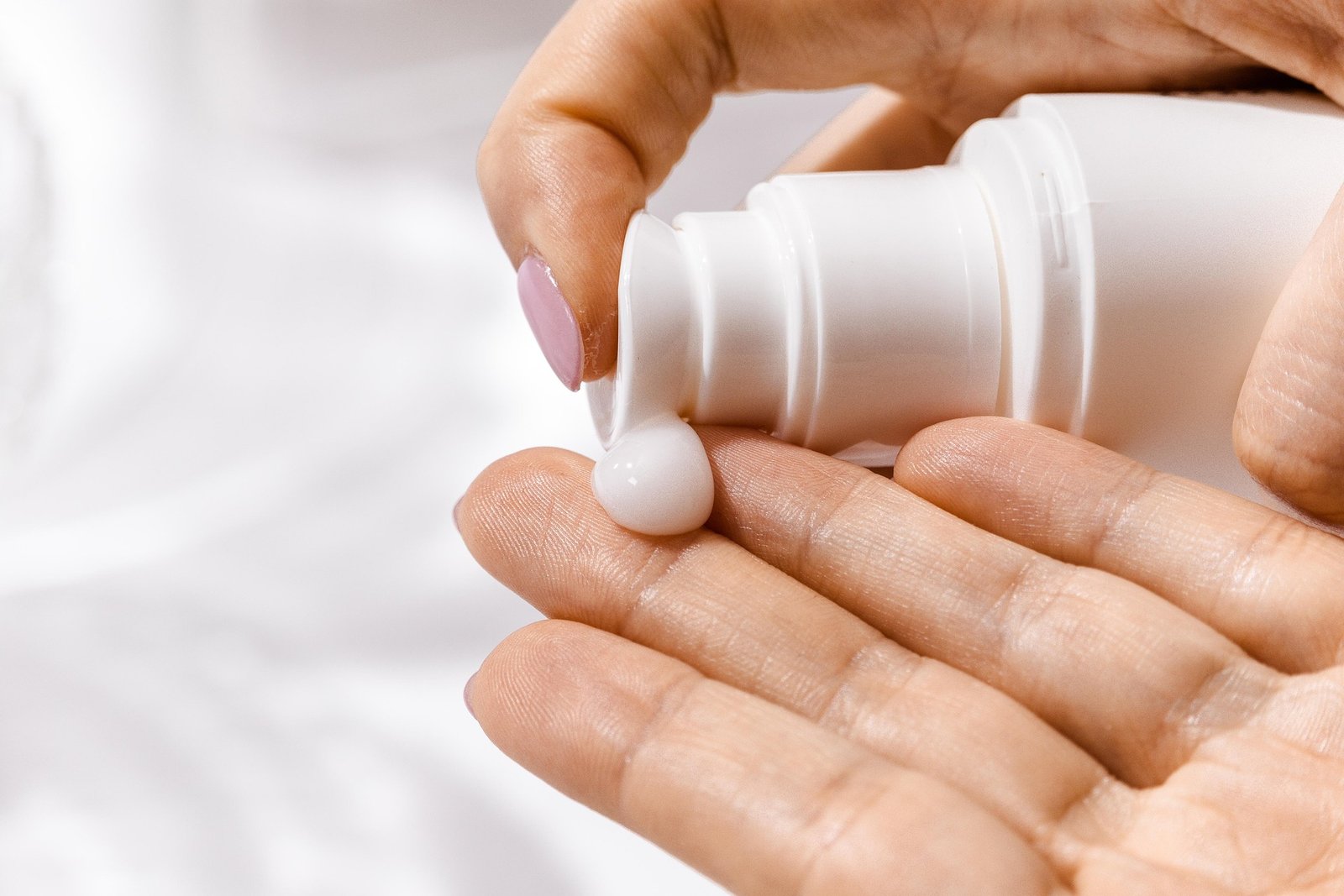
Using the right sunscreen but applying too little can reduce the protection you actually receive.
This is one of the most important parts of choosing and using the best sunscreen for men.
For the face and neck, a commonly used practical guide is the two-finger method: dispense sunscreen along the length of two fingers and use an adequate amount over the face and neck.
The important principle is simple:
Do not apply a tiny dot of sunscreen and expect the full labeled SPF.
Where should men apply sunscreen?
Do not forget:
- Forehead
- Nose
- Cheeks
- Chin
- Jawline
- Ears
- Neck
- Hairline
- Exposed scalp, when applicable
The ears are particularly easy to forget.
Should you apply sunscreen once and forget about it?
No.
Protection can decrease with time, especially when you sweat, swim, wipe your face, or spend extended periods outdoors.
That is why application and reapplication both matter.
Should men apply sunscreen under a beard?
Apply it to exposed skin.
If you have a very thick beard, focus on exposed facial skin and areas where the product can reach the skin.
A lighter formula may make this easier.
7. How often should men reapply sunscreen to maintain effective protection?
Reapplication depends on your activity.
If you are spending extended time outdoors, sweating, swimming, exercising, or wiping your face, you may need to reapply more frequently.
A common recommendation is to reapply approximately every two hours during continued sun exposure and after swimming or heavy sweating, depending on the product.
What if you work indoors?
If you spend most of the day indoors and away from direct sunlight, your reapplication needs may be different from someone working outside.
However, this does not mean sunscreen is automatically unnecessary.
You may still spend time outside during commuting, lunch, errands, or travel.
What if you sweat a lot?
Choose a water-resistant sunscreen when appropriate.
Remember that “water-resistant” does not mean waterproof or permanent.
Swimming, sweating, and towel drying can reduce sunscreen coverage.
How should men reapply over facial hair?
If you have facial hair, choose a formula that can be spread without becoming uncomfortable.
A sunscreen stick can be convenient for some areas, but make sure you use enough product.
For the best sunscreen for men, convenience can make a major difference in whether you actually reapply.
Do you need to reapply at night?
No.
Sunscreen is a daytime protection product.
At night, remove it as part of your normal evening skincare routine.
8. Is sunscreen necessary for men with darker skin tones?
Yes.
Darker skin contains more melanin, which provides some natural protection against UV radiation, but it does not eliminate the need for sunscreen.
Sun exposure can still contribute to pigmentation, uneven skin tone, premature aging, and other forms of skin damage.
For men who are particularly concerned about dark spots or post-acne marks, consistent sunscreen use can be an important part of their routine.
What about white cast?
This can be a significant issue for deeper skin tones, particularly with some mineral sunscreen formulas.
A visible white or gray cast can make sunscreen unpleasant to wear.
If this is a concern, look for a formula described as:
- Invisible
- Transparent
- No white cast
- Tinted
- Sheer
A tinted sunscreen can sometimes provide a more natural finish, although the shade needs to suit your skin.
Is mineral sunscreen better for darker skin?
Not automatically.
Mineral and chemical sunscreens can both provide effective protection when appropriately formulated and used.
The important considerations are protection, formulation, tolerance, and whether you will use enough of the product.
The best sunscreen for men with darker skin should therefore combine appropriate UV protection with a finish you are comfortable wearing.
9. What sunscreen features can help protect men from tanning and premature skin aging?
If tanning, pigmentation, or premature aging is a concern, focus on the quality of protection rather than marketing claims alone.
Broad-spectrum protection
Look for broad-spectrum protection against UVA and UVB.
This is more useful than choosing a product based only on its SPF number.
Appropriate SPF
SPF 30 or higher is a common baseline for daily sunscreen, while SPF 50 is often chosen when greater protection is desired.
Strong UVA protection
UVA is particularly relevant to photoaging and pigmentation.
If your product uses the PA system, a higher PA rating indicates stronger UVA protection.
Water resistance
If you exercise, swim, sweat heavily, or spend long periods outdoors, water resistance can be a useful feature.
Antioxidants
Some sunscreens contain antioxidants such as vitamin E, vitamin C derivatives, niacinamide, or other ingredients.
These can complement sun protection, but they do not replace the need for adequate UV filters.
Tinted formulas
Tinted sunscreens can be useful for people concerned about pigmentation and visible light.
Don’t buy sunscreen based on one special ingredient
The main job of sunscreen is sun protection.
A product can contain impressive skincare ingredients and still not be the right choice if you dislike the texture or do not apply enough.
When comparing the best sunscreen for men, protection should come first.
10. How can men choose a sunscreen that fits easily into their daily grooming routine?
The best sunscreen for men should not feel like a separate chore.
It should fit into the routine you already follow.
A simple morning routine can be:
Cleanse → Moisturize if needed → Sunscreen
If you use a serum, it can generally come before moisturizer and sunscreen.
Sunscreen should be one of the final steps of your morning skincare routine.
Choose the texture you will actually use
If you hate heavy creams, choose a gel or fluid.
If your skin is dry, choose a moisturizing formula.
If you have oily skin, try a lightweight or matte formula.
If you have sensitive skin, look for a simple formula that your skin tolerates.
FAQ
What is the best sunscreen for men?
The best sunscreen for men depends on skin type, sun exposure, preferred texture, and personal needs. Look for broad-spectrum protection, an appropriate SPF, strong UVA protection, and a formula you can comfortably use every day.
Is SPF 50 good for men?
Yes. SPF 50 provides high UVB protection and is commonly chosen when greater protection is desired. However, SPF alone is not enough. Look for broad-spectrum and UVA protection as well.
Can men use women’s sunscreen?
Yes. Sunscreen does not need to be marketed specifically for men to work for men. The important factors are protection, formulation, skin type, and whether the product feels comfortable enough to use consistently.
Which sunscreen is best for oily skin?
Men with oily skin often prefer lightweight gels, fluids, or matte-finish formulas. Look for oil-control and non-comedogenic options if you are prone to clogged pores.
Which sunscreen is best for dry skin?
A moisturizing cream or lotion may work better for dry skin. Ingredients such as glycerin, ceramides, and hyaluronic acid can be useful in moisturizing formulations.
Which sunscreen is best for acne-prone skin?
Look for a non-comedogenic formula and choose a texture that does not feel excessively heavy. The most important thing is that the sunscreen provides adequate UV protection and suits your skin.
Conclusion
Choosing the best sunscreen for men does not need to be complicated.
Start with the basics: choose broad-spectrum protection, select an appropriate SPF, consider UVA protection, and match the texture to your skin type.
If your skin is oily, a lightweight gel or matte formula may be more comfortable. If your skin is dry, a moisturizing cream or lotion may work better. If you have acne-prone skin, look for a non-comedogenic option. If your skin is sensitive, choose a simple formula that your skin tolerates.
Your lifestyle also matters.
If you spend a lot of time outdoors, sweat heavily, swim, or exercise outside, look for appropriate water resistance and remember to reapply.
If you have a beard, choose a texture that spreads comfortably over exposed skin. If you dislike white cast, look for an invisible or tinted formula.
Do not become obsessed with choosing the highest SPF number available.
SPF matters, but it is only one part of the decision. Broad-spectrum protection, UVA protection, application amount, reapplication, and consistency all matter.
Most importantly, choose a sunscreen you will actually wear.
FOR MORE DETAILES CHECK OUT OUE WEBSITE https://trimistrysalon.com