
Introduction
Dry skin can make even a simple skincare routine feel frustrating.
Your face may feel tight after washing, your cheeks may look flaky, and makeup may settle into dry patches. You may also notice rough texture, peeling, itching, or a dull-looking complexion even after applying moisturizer.
This is why having the right skin care for dry skin routine matters.
The good news is that effective skin care for dry skin does not have to be complicated. You do not need a bathroom shelf full of expensive products or a complicated 10-step routine. The most important thing is to understand what your skin needs and build simple habits that protect its natural barrier.
A good skin care for dry skin routine usually starts with four basics: gentle cleansing, regular moisturizing, protection from environmental damage, and avoiding products or habits that unnecessarily strip moisture from the skin.
Dermatologists commonly recommend creams or ointments over lightweight lotions when the skin is very dry because thicker products can provide more effective moisture and help reduce water loss. Applying moisturizer while the skin is still slightly damp can also help retain moisture.
But there is another important point to understand.
Dry skin and dehydrated skin are not exactly the same thing.
Dry skin generally refers to skin that does not have enough natural oils, while dehydrated skin refers to a lack of water. You can even have skin that looks oily in some areas but still feels dehydrated.
Understanding this difference can make your skin care for dry skin routine much more effective.
Your cleansing habits, moisturizer, serum, exfoliation routine, shower temperature, weather, indoor air, shaving habits, and even certain medications can influence how comfortable and hydrated your skin feels.
This complete guide explains how to create practical skin care for dry skin from morning to night. You will learn how to identify dry and dehydrated skin, which ingredients can help, how to cleanse without making dryness worse, what type of moisturizer to choose, whether you need a serum, how often to exfoliate, what to avoid, how to manage dry skin in changing weather, and when professional treatment may be appropriate.
The goal is simple: help you understand skin care for dry skin so you can make better product choices without making your routine unnecessarily complicated.
1. What is the best skin care routine for dry skin?
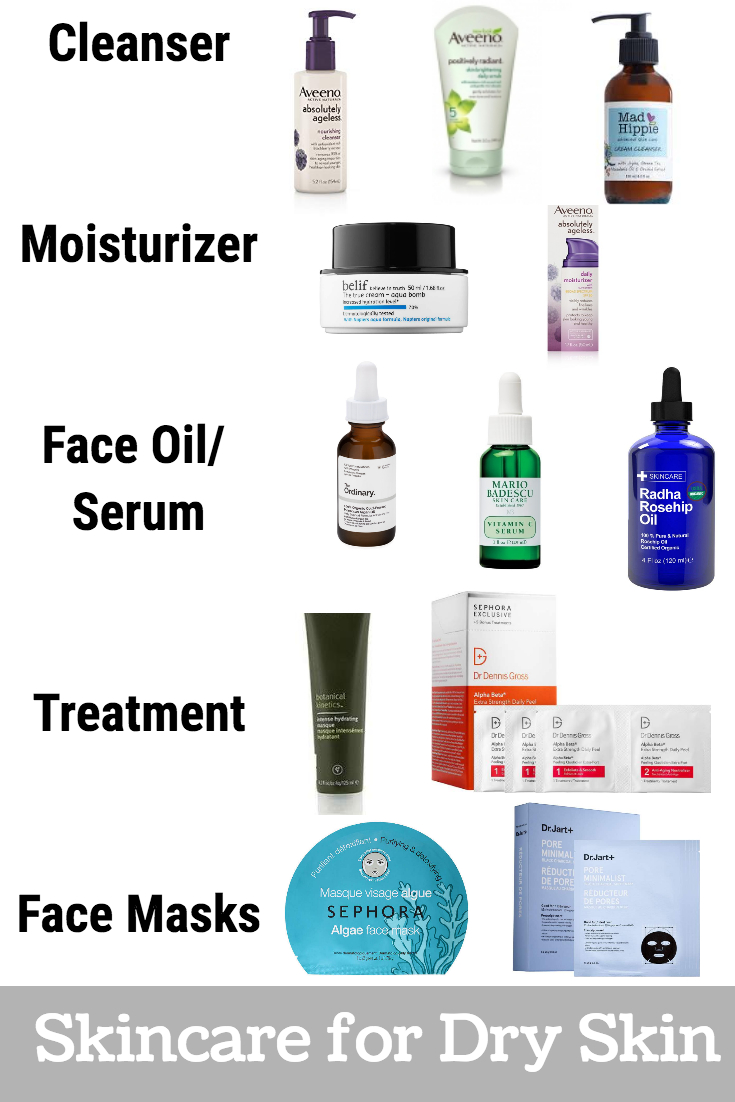
The best skin care for dry skin routine is usually simple, gentle, and consistent.
You do not need to use ten different products every morning and night. In fact, using too many products can sometimes make dry or sensitive skin more irritated.
A practical skin care for dry skin routine can look like this:
Morning:
Gentle cleanser or water rinse → hydrating product if needed → moisturizer → sunscreen
Night:
Gentle cleanser → hydrating serum if needed → moisturizer
That is enough for many people.
The most important part is consistency.
Step 1: Cleanse gently
Start your skin care for dry skin routine with a cleanser that removes dirt, sweat, sunscreen, and impurities without leaving your face feeling stripped.
Choose a gentle, fragrance-free cleanser whenever possible.
After cleansing, your skin should feel clean but comfortable. It should not feel extremely tight or squeaky.
That tight feeling is often a sign that the cleanser or cleansing routine may be too harsh for your skin.
Step 2: Keep active ingredients optional
You do not automatically need a serum, exfoliant, retinol, vitamin C, or facial oil just because these products are popular.
If your primary concern is dryness, focus first on building a strong foundation.
Once your skin feels comfortable and stable, you can consider adding products for other concerns such as pigmentation, acne, or signs of aging.
Step 3: Moisturize
Moisturizer is one of the most important products in skin care for dry skin.
Apply it while your face is still slightly damp after cleansing.
This can help trap water in the skin and support a more comfortable, hydrated feeling.
Step 4: Protect your skin during the day
A complete skin care for dry skin routine should also include sunscreen.
Use a broad-spectrum sunscreen with SPF 30 or higher during the day.
Dry skin does not protect you from UV exposure. Sun protection remains important for maintaining healthy-looking skin and reducing cumulative UV damage.
Keep your routine realistic
A good routine is one that you can follow every day.
If you are starting from scratch, begin with:
- Gentle cleanser
- Moisturizer
- Sunscreen
After that, add other products only when you understand why you need them.
This approach makes skin care for dry skin easier to maintain and helps you identify which products actually benefit your skin.
2. How can you tell if your skin is dry or dehydrated?
Understanding the difference between dry and dehydrated skin can improve your skin care for dry skin routine.
The terms are often used interchangeably, but they describe different things.
What is dry skin?
Dry skin generally means your skin lacks enough natural oils.
You may notice:
- Rough texture
- Flaking
- Tightness
- Peeling
- Itching
- Increased sensitivity
- Fine lines appearing more noticeable
- Cracking when dryness becomes severe
Dry skin can be influenced by genetics, age, weather, frequent washing, hot water, certain medications, and some skin conditions.
What is dehydrated skin?
Dehydrated skin lacks water.
This can happen even if you have oily or combination skin.
For example, your forehead may look shiny while your cheeks feel tight.
Your skin may also look dull or temporarily show more visible fine lines.
Why does this difference matter?
A good skin care for dry skin routine should address both moisture and hydration.
If your skin is dry, you may benefit from ingredients that soften the skin and support its protective barrier.
If your skin is dehydrated, humectants such as glycerin or hyaluronic acid may help attract water to the skin.
In many cases, you need both.
Think of it this way:
Hydration helps provide water.
Moisturization helps support the skin and reduce water loss.
That is why applying a hydrating serum without following it with a suitable moisturizer may not be enough for someone with genuinely dry skin.
How can you tell what your skin needs?
Pay attention to how your skin behaves after cleansing.
If it feels tight, rough, flaky, or uncomfortable, your routine may not be providing enough moisture.
If it looks dull and feels tight but also becomes oily later, dehydration may be part of the problem.
Your skin care for dry skin routine should therefore be based on how your skin behaves rather than simply choosing products because they are marketed for “dry skin.”
3. What ingredients are best for dry skin?
Ingredients are an important part of effective skin care for dry skin.
Instead of choosing products because of attractive packaging or trendy claims, learn to recognize a few useful ingredient categories.
Ceramides
Ceramides are lipids naturally found in the skin barrier.
They are widely used in moisturizers designed for dry and sensitive skin.
A moisturizer containing ceramides can be a useful choice when your goal is to support the skin barrier.
Glycerin
Glycerin is a humectant that helps attract water.
It is commonly found in moisturizers and hydrating serums.
For many people, glycerin is a simple and effective ingredient to look for when building skin care for dry skin.
Hyaluronic acid
Hyaluronic acid is another well-known humectant.
It helps support hydration and can make the skin feel softer and more comfortable.
However, very dry skin usually benefits from applying moisturizer after a hydrating serum.
Petrolatum
Petrolatum is an occlusive ingredient.
It helps reduce water loss from the skin and can be particularly helpful for very dry patches.
You do not necessarily need to apply a thick layer over your entire face.
It can be used selectively on areas that become especially dry.
Shea butter
Shea butter is an emollient commonly used in moisturizers.
It can help make rough skin feel smoother and softer.
Squalane
Squalane is another ingredient commonly found in moisturizers and facial oils.
It can provide a soft, comfortable feel without necessarily making the skin feel as heavy as some traditional occlusive products.
Urea
Urea is used in certain moisturizers designed for dry and rough skin.
It can be particularly useful in products formulated for areas that become very dry or thickened.
For facial use, choose an appropriately formulated product rather than assuming that a stronger concentration is automatically better.
Do you need every ingredient?
No.
That is one of the biggest lessons of skin care for dry skin.
You do not need to find a moisturizer containing every possible moisturizing ingredient.
A simple formula containing several well-chosen ingredients may work extremely well.
The right product is the one that keeps your skin comfortable, does not cause irritation, and fits your daily routine.
4. How should you wash your face if you have dry skin?
Cleansing is an essential part of skin care for dry skin, but cleansing incorrectly can make dryness worse.
One common mistake is trying to make your face feel extremely clean.
If your skin feels tight or squeaky after washing, that does not necessarily mean you have cleaned it better.
It may mean you have removed too much of the skin’s natural oil.
Use lukewarm water
Avoid very hot water.
Hot water can remove natural oils from the skin and contribute to dryness.
For better skin care for dry skin, use lukewarm water and keep your cleansing routine gentle.
Choose a mild cleanser
Look for products labeled:
- Gentle
- Fragrance-free
- For dry skin
- For sensitive skin
- Hydrating
Cream or lotion-style cleansers can be particularly comfortable for people with dry skin.
Do not over-cleanse
You do not necessarily need a strong cleanser twice a day.
Some people with dry or sensitive skin may find that a gentle evening cleanse is enough, depending on their morning routine and skin needs.
If your skin repeatedly feels tight after morning and evening cleansing, reconsider both your cleanser and your cleansing frequency.
Do not scrub your face
Avoid using a washcloth, rough towel, facial brush, or scrub aggressively.
Your skin does not need to feel polished after cleansing.
Gentle cleansing is one of the foundations of successful skin care for dry skin.
Moisturize immediately
After cleansing, gently pat your face dry.
Do not completely dry the skin until it feels tight.
Apply moisturizer while your skin is still slightly damp.
This simple habit can help support moisture retention and make your routine more effective.
5. What type of moisturizer is best for dry skin?
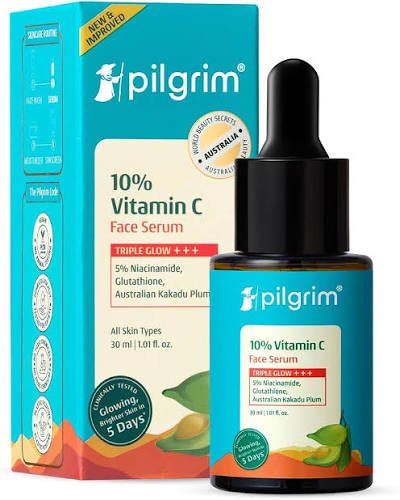
Choosing the right moisturizer is one of the most important decisions in skin care for dry skin.
Not every moisturizer provides the same level of protection.
The texture and formulation matter.
Lotion
Lotions are lightweight and generally contain more water.
They can feel comfortable in humid weather or for people with mild dryness.
However, someone with very dry skin may need something richer.
Cream
Creams are thicker than lotions and generally contain more oil.
For many people, a cream is a practical everyday choice for skin care for dry skin.
Look for ingredients such as:
- Ceramides
- Glycerin
- Hyaluronic acid
- Shea butter
- Squalane
- Petrolatum
Ointment
Ointments are thicker and more occlusive.
They can be particularly useful when skin is extremely dry or cracked.
A petrolatum-based ointment can be applied to specific dry areas at night.
You do not necessarily need to use an ointment across your entire face.
How often should you moisturize?
There is no strict rule that says you can moisturize only twice a day.
If your skin feels dry during the day, you can apply moisturizer again.
For an effective skin care for dry skin routine, the most important times to moisturize are after cleansing and whenever your skin feels uncomfortable or dry.
What if you have dry and acne-prone skin?
This combination can be challenging.
You still need moisturizer, even if you have acne.
Choose a lightweight or medium-weight product labeled non-comedogenic if that texture works better for your skin.
Do not assume that acne means you should avoid moisturizer completely.
Overly harsh acne routines can leave the skin irritated and dry.
Good skin care for dry skin with acne is about finding a balance between hydration and pore-friendly formulations.
WATCH THIS VIDEO FOR MORE DETAILS…https://www.youtube.com/watch?v=2tJUVQLiStA&t=158s
6. Should you use a serum for dry skin, and which ingredients should you look for?

A serum is optional in skin care for dry skin.
If your cleanser and moisturizer already keep your face comfortable, you may not need one.
However, a hydrating serum can be useful if your skin feels dehydrated, tight, or dull.
Look for hydrating ingredients
Useful ingredients can include:
- Hyaluronic acid
- Glycerin
- Panthenol
- Beta-glucan
These ingredients are commonly used to support hydration.
How should you layer a serum?
A simple routine is:
Cleanser → hydrating serum → moisturizer
Apply the serum according to the instructions on the product.
Then apply moisturizer.
This layering approach makes sense because hydration and moisture retention are not exactly the same thing.
The serum can provide hydrating ingredients, while the moisturizer helps keep the skin comfortable and reduces water loss.
Do you need vitamin C?
Not specifically for dry skin.
Vitamin C is commonly used for antioxidant and brightening benefits.
If your primary problem is dryness, you should not feel pressured to add vitamin C immediately.
Build your basic skin care for dry skin routine first.
What about retinol?
Retinol can be useful for concerns such as fine lines, uneven texture, and certain forms of acne.
However, retinol can also cause dryness and irritation, particularly when first introduced.
If your skin is already very dry, flaky, or irritated, focus on barrier support before adding strong active ingredients.
If you eventually introduce retinol, start gradually and use a good moisturizer.
What about facial oils?
Facial oils are optional.
Some people with dry skin enjoy them because they can make the skin feel softer.
However, an oil does not necessarily replace a moisturizer.
For many people, the better approach is to use a moisturizer first and add a small amount of facial oil only if the skin needs additional comfort.
7. How often should you exfoliate dry skin?
Exfoliation is one of the areas where skin care for dry skin can easily go wrong.
When you see flakes, you may automatically think:
“I need to remove them.”
But aggressive exfoliation can increase irritation and dryness.
Dry, peeling skin often needs more gentle care rather than more scrubbing.
Should you exfoliate dry skin?
Sometimes, but carefully.
If your skin is healthy and only mildly dry, occasional gentle exfoliation may be appropriate.
However, if your skin is:
- Cracked
- Burning
- Peeling heavily
- Red
- Irritated
- Sensitive
skip exfoliation and focus on moisturizing.
Avoid rough facial scrubs
Physical scrubs can create friction.
That friction may irritate dry skin, especially when the skin barrier is already compromised.
Be careful with acids
Chemical exfoliants can be useful for some people, but they are not essential for everyone.
If you already use retinol, vitamin C, acne treatments, or other active products, adding acids may increase irritation.
For beginner skin care for dry skin, it is usually better to keep exfoliation simple.
Ask whether you actually need exfoliation
Before reaching for a scrub, ask yourself:
“Is my skin truly congested, or is it simply dry?”
If the problem is dryness, try improving cleansing and moisturizing first.
Once the skin becomes comfortable, you can reconsider whether exfoliation is necessary.
8. What should you avoid when caring for dry skin?
Knowing what to avoid is just as important as choosing the right products.
A strong skin care for dry skin routine is not only about adding helpful ingredients. It is also about removing habits that continually damage or strip the skin.
Avoid very hot water
Long, hot showers can worsen dryness.
Use warm or lukewarm water instead.
Avoid harsh soaps
Some traditional soaps can remove too much oil from the skin.
Choose a gentle facial cleanser instead.
Avoid unnecessary fragrance
If your skin is sensitive or easily irritated, fragrance may be a problem.
Fragrance-free products are generally a safer starting point for sensitive dry skin.
Avoid aggressive scrubbing
Do not scrub harder because your skin looks flaky.
That can create more irritation.
Avoid excessive exfoliation
Using exfoliating acids, scrubs, and retinoids together can be too much for dry skin.
Introduce active ingredients slowly.
Be careful with alcohol-heavy formulas
Some skincare products contain forms of alcohol that can feel drying or irritating.
Do not assume every ingredient with “alcohol” in its name is harmful, because different alcohols behave differently.
Instead, pay attention to how the complete product feels on your skin.
Be careful with retinoids
Retinoids can be valuable skincare ingredients, but they can also cause dryness.
If your skin is already irritated, do not immediately add a strong retinoid.
Do not constantly change products
One week you use a new serum.
The next week you change your cleanser.
Then you add a new exfoliant.
Then you try another moisturizer.
This makes it almost impossible to know what is helping.
A better skin care for dry skin approach is to introduce one major change at a time.
Do not assume expensive means better
A high price does not guarantee that a product will work better for your skin.
Look at ingredients, formulation, comfort, and consistency.
Effective skin care for dry skin can be surprisingly simple.
9. How can you care for dry skin in winter or changing weather?
Weather can significantly affect dry skin.
Cold air, low humidity, wind, indoor heating, air conditioning, and frequent hot showers can all contribute to increased dryness.
This means your skin care for dry skin routine may need small seasonal adjustments.
Use a richer moisturizer when needed
A lightweight moisturizer that works well in humid weather may not be enough when the air becomes dry.
If your skin starts feeling tight or flaky, consider switching from a lotion to a cream.
For very dry areas, an ointment may be useful.
Reduce hot showers
Cold weather often makes people want longer, hotter showers.
Unfortunately, that can make dry skin worse.
Keep showers reasonably short and use lukewarm water.
Moisturize immediately after bathing
One of the easiest improvements to your skin care for dry skin routine is moisturizing shortly after washing.
Pat your skin gently and apply moisturizer while it is still slightly damp.
This helps reduce moisture loss.
Consider a humidifier
Dry indoor air can contribute to dry skin.
A humidifier may help add moisture to the environment, particularly during very dry weather or when indoor heating is running frequently.
Keep the device clean and follow the manufacturer’s maintenance instructions.
Protect exposed skin
Wind and cold can make dry skin feel uncomfortable.
If you spend significant time outdoors, protect exposed skin with suitable clothing and apply moisturizer before leaving.
Keep using sunscreen
Do not stop sunscreen simply because the weather is cold.
UV exposure occurs throughout the year.
A complete skin care for dry skin routine should include broad-spectrum SPF 30 or higher during the day.
10. When does dry skin need professional or dermatologist treatment?
Many cases of mild dry skin can improve with consistent skincare.
However, not every case of dryness is simply a skincare problem.
Sometimes persistent dryness is related to a condition such as eczema, psoriasis, contact dermatitis, or another medical issue.
You should consider seeing a dermatologist if your skin remains very dry despite making appropriate changes to your routine.
Pay particular attention if you experience:
- Severe itching
- Persistent redness
- Burning
- Pain
- Cracking
- Bleeding
- Significant peeling
- Rash
- Swelling
- Signs of infection
- Dryness that affects sleep or everyday life
Why professional evaluation matters
You may assume that you simply need a stronger moisturizer.
But if an underlying skin condition is responsible, continually changing moisturizers may not solve the problem.
A dermatologist can examine your skin and determine whether the problem is ordinary dryness or something requiring specific treatment.
This is particularly important if your dry skin is persistent, painful, inflamed, or repeatedly returning.
What can professional treatment involve?
Treatment depends on the cause.
A dermatologist may recommend:
- A specific moisturizer
- Barrier-repair products
- Prescription creams
- Anti-inflammatory treatment
- Changes to cleansing habits
- Treatment for eczema or another underlying condition
Professional advice can also help you determine which active ingredients you should avoid or use carefully.
When should you stop experimenting at home?
If your skin is repeatedly becoming more irritated despite your efforts, stop adding new products.
Simplify your skin care for dry skin routine and seek professional guidance.
The goal is not to keep buying products until something works.
The goal is to identify why your skin is dry and treat the cause appropriately.
FAQ
What is the best skin care routine for dry skin?
A simple skin care for dry skin routine includes gentle cleansing, a suitable moisturizer, and sunscreen during the day. A hydrating serum can be added if your skin needs additional hydration. At night, use a gentle cleanser followed by moisturizer.
How many times should I moisturize dry skin?
You can moisturize whenever your skin feels dry or uncomfortable. At minimum, apply moisturizer after cleansing and while the skin is still slightly damp. Very dry skin may benefit from moisturizing more frequently.
Which moisturizer is best for dry skin?
Creams and ointments are generally more suitable for very dry skin than lightweight lotions. Look for ingredients such as ceramides, glycerin, hyaluronic acid, petrolatum, shea butter, or other moisturizing ingredients that suit your skin.
Is hyaluronic acid good for dry skin?
Yes. Hyaluronic acid is a humectant that helps support skin hydration. In skin care for dry skin, it is often most useful when followed by a moisturizer that helps reduce water loss.
Is vitamin C good for dry skin?
Vitamin C is mainly used for antioxidant and brightening benefits rather than specifically treating dryness. If your skin is sensitive or very dry, prioritize a gentle moisturizing routine before adding multiple active ingredients.
Should I use a face scrub if my skin is dry and flaky?
Avoid aggressive scrubbing. Flaking can be a sign that your skin needs more moisture rather than more exfoliation. If your skin is irritated or peeling heavily, focus on gentle cleansing and moisturizing instead.
Can I use retinol if I have dry skin?
Retinol can be used by some people with dry skin, but it may increase dryness and irritation, especially when first introduced. Start slowly and support your skin with a good moisturizer. If your skin is severely irritated, consult a dermatologist before starting.
Should I wash dry skin twice a day?
Not necessarily. Some people with dry or sensitive skin may find that a gentle evening cleanse is sufficient, depending on their routine. If twice-daily cleansing consistently makes your skin tight, consider changing the cleanser or cleansing frequency.
Is hot water bad for dry skin?
Very hot water can worsen dryness by removing natural oils. Use lukewarm water instead and keep showers relatively short.
Can dry skin cause pimples?
Dry skin and acne can occur together. An overly harsh acne routine can also leave the skin irritated and dry. If you have both concerns, use gentle cleansing and a suitable non-comedogenic moisturizer.
What should I avoid if I have dry skin?
Avoid very hot water, harsh soaps, aggressive scrubbing, unnecessary exfoliation, and products that repeatedly cause burning or irritation. Fragrance may also be problematic for sensitive skin.
Can dry skin become oily?
Yes. Skin can look oily while still being dehydrated. Oil production and water content are different aspects of skin health.
How long does it take to improve dry skin?
Mild dryness may improve after you correct irritating habits and use appropriate moisturization consistently. The timeline varies depending on the cause and severity of dryness.
When should I see a dermatologist for dry skin?
Consider professional evaluation if dryness persists despite a suitable routine or if you experience severe itching, cracking, bleeding, pain, significant redness, rash, or signs of infection.
Conclusion
Good skin care for dry skin does not need to be complicated.
The most important thing is to create a routine that protects your skin barrier and gives your skin enough hydration and moisture without unnecessary irritation.
Start with gentle cleansing.
Use lukewarm water rather than very hot water.
Choose a moisturizer that matches your level of dryness. A cream may be more useful than a lightweight lotion if your skin is very dry, while an ointment can help with particularly dry areas.
Look for ingredients such as ceramides, glycerin, hyaluronic acid, petrolatum, shea butter, and other moisturizing ingredients that your skin tolerates well.
Do not feel pressured to use every trending skincare ingredient.
A hydrating serum can be helpful, but it is optional.
Retinol, acids, vitamin C, and other active ingredients can have a place in a broader routine, but they should not replace the basics of skin care for dry skin.
And remember that more exfoliation is not necessarily better.
If your skin is flaky, peeling, burning, or irritated, aggressively scrubbing it can make the problem worse. Sometimes what looks like “dead skin” is simply skin that needs more moisture and gentler treatment.
Your skin can also change with the weather.
During dry or colder periods, you may need a richer moisturizer, shorter showers, and more frequent moisturizing.
During humid weather, you may prefer a lighter texture.
The best skin care for dry skin is therefore not necessarily one fixed routine for every person or every season.
It is a routine that responds to what your skin actually needs.
Most importantly, pay attention to warning signs.
If your skin continues to crack, bleed, itch severely, burn, become inflamed, or develop a persistent rash despite good skincare habits, do not keep adding products and hoping the problem disappears.
Professional evaluation may be the better next step.
Ultimately, effective skin care for dry skin comes down to three things: protect the barrier, maintain hydration, and stay consistent.
You do not need ten complicated products.
You need the right products, gentle habits, and enough consistency to give your skin the opportunity to become comfortable, smooth, and healthy-looking.
CHECK OUT OUR PAGE FOR MORE UPDATE….https://trimistrysalon.com