
Introduction
Choosing a face serum can be confusing when you are just starting your skincare routine. There are serums for pigmentation, acne marks, dark spots, dullness, excess oil, hydration and signs of ageing, and each one works differently. If you are searching for Pilgrim face serum, the first thing to understand is that Pilgrim has more than one facial serum, so the right product depends on your skin concern.
Pilgrim face serum is designed to give your skincare routine a more targeted step. Instead of choosing a serum simply because it is popular, you can choose one according to what your skin actually needs. A niacinamide-based serum may be more suitable for acne marks, excess oil and uneven-looking skin, while a vitamin C serum can be useful when dullness and dark spots are your main concerns. A kojic acid serum is more focused on pigmentation, while a hydrating serum may be more appropriate for skin that feels dry or dehydrated.
The current Pilgrim face serum range includes formulas based around ingredients such as vitamin C, niacinamide, kojic acid, alpha arbutin, salicylic acid and hydrating ingredients. This gives beginners several options, but it also means that choosing the right serum requires a little understanding of ingredients and skin concerns.
In this article, we will explain Pilgrim face serum in simple language, including what it does, which formula may suit different concerns, the main ingredients, how to use it, whether it is suitable for different skin types, how long results can take and what mistakes you should avoid.
1. What is Pilgrim face serum and what is it used for? 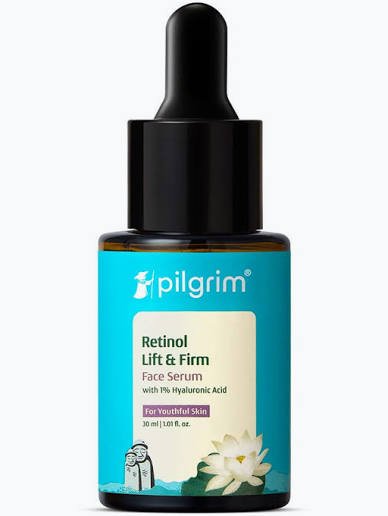
Pilgrim face serum is a targeted skincare product designed to address specific facial skin concerns. Unlike a cleanser, which is mainly used to clean the skin, or a moisturizer, which mainly supports hydration and the skin barrier, a serum contains active ingredients selected to work on concerns such as pigmentation, acne marks, dullness, excess oil, uneven skin tone or dehydration.
The important thing to remember is that Pilgrim face serum is not one single formula. Different Pilgrim serums have different ingredients and therefore different purposes. The current range includes brightening, niacinamide, vitamin C, kojic acid and anti-acne-focused options, among others.
For example, if your main concern is acne marks and oily skin, a niacinamide-focused Pilgrim face serum may be more relevant. If your skin looks dull and you want a brighter-looking complexion, a vitamin C formula may make more sense. If dark spots and pigmentation are your biggest concern, a kojic acid or alpha arbutin formula may be more appropriate.
This is why there is no single Pilgrim face serum that is automatically the best for everyone.
If you are new to skincare, start by identifying your main concern. Do you want to reduce the appearance of acne marks? Are you struggling with pigmentation? Does your skin look dull? Is your skin oily? Or does it mainly feel dry and dehydrated?
Once you know your concern, you can look at the ingredients in the serum and choose accordingly.
A Pilgrim face serum should also be viewed as one part of your skincare routine rather than a replacement for everything else. You still need a gentle cleanser, moisturizer and sunscreen. If you are using a serum for pigmentation or dark spots, sunscreen becomes especially important because regular sun exposure can make uneven pigmentation more noticeable.
The simplest way to understand Pilgrim face serum is that it is a targeted treatment step between cleansing and moisturizing.
2. Which Pilgrim face serum is best for pigmentation and dark spots?
If pigmentation and dark spots are your main concerns, you should choose a Pilgrim face serum based on its brightening ingredients rather than simply choosing the most popular product.
Pilgrim has a 2% Kojic Acid Serum that combines kojic acid with alpha arbutin, niacinamide and gentle PHAs. The formula is specifically positioned around dark spots, pigmentation and uneven-looking skin tone.
Kojic acid is commonly used in skincare products designed for pigmentation and dark spots. Alpha arbutin is another ingredient frequently used in brightening skincare, while niacinamide can support a more even-looking complexion and the skin barrier.
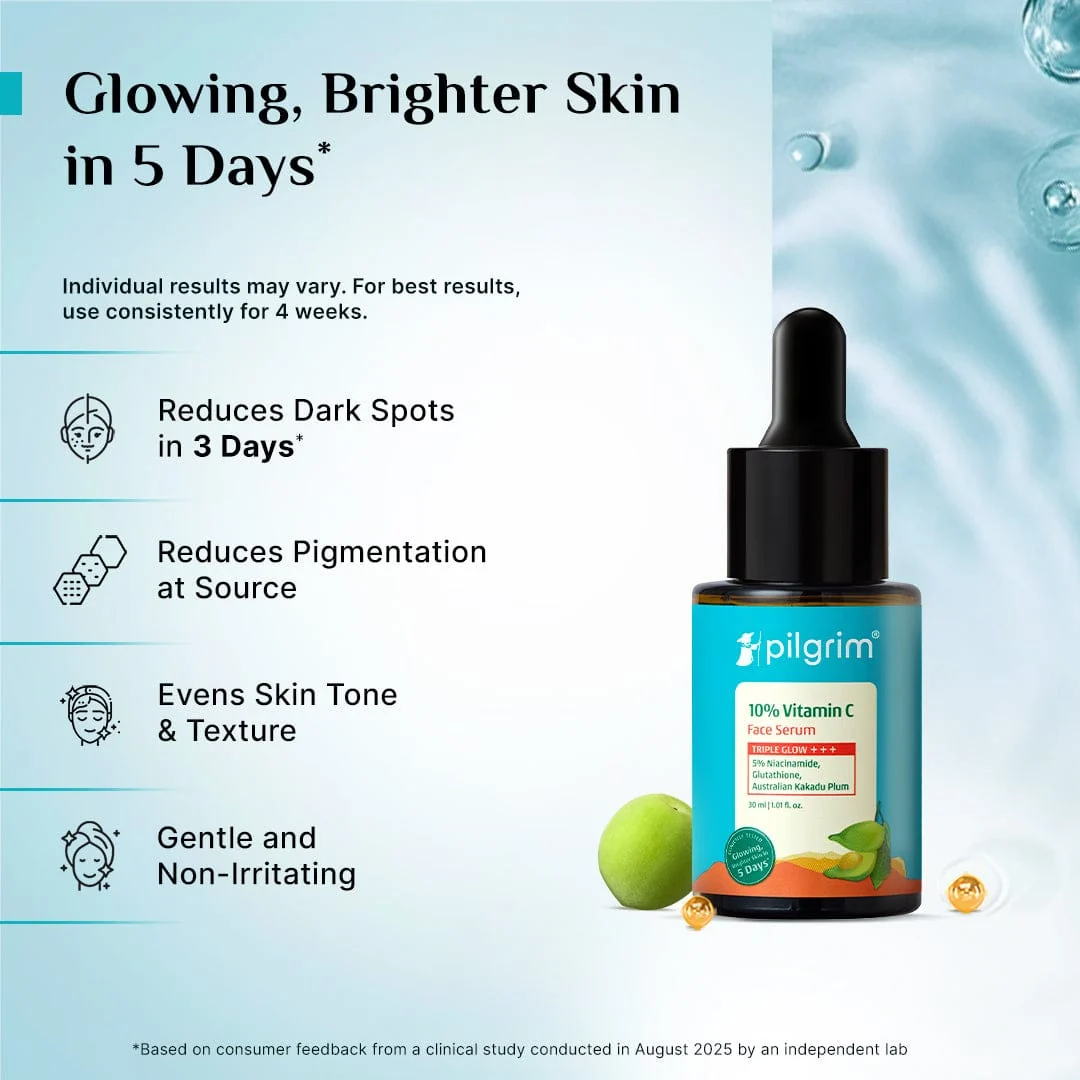
Another option is a vitamin C-based Pilgrim face serum. The current 10% Vitamin C Face Serum contains 3-O-Ethyl Ascorbic Acid along with 5% niacinamide and is positioned around brighter-looking skin, dark spots and uneven-looking tone.
The important thing is not to use every brightening ingredient at the same time.
If you are new to skincare, choosing one suitable Pilgrim face serum is generally easier than layering a vitamin C serum, kojic acid serum, exfoliating serum and another brightening product together.
Pigmentation also requires patience. Dark spots can develop because of acne, sun exposure, inflammation and other factors, so the time needed to improve their appearance can vary.
If pigmentation is your main concern, use your Pilgrim face serum consistently and protect your skin during the day with broad-spectrum sunscreen. A serum can support the appearance of a more even complexion, but it cannot guarantee permanent removal of every type of pigmentation.
If your pigmentation is severe, persistent or suddenly changing, professional evaluation is more appropriate than simply adding stronger skincare products.
3. Can Pilgrim face serum help with acne marks and uneven skin tone?
Yes, some Pilgrim face serum formulas are specifically designed around acne marks and uneven-looking skin. One of the most prominent options is the 10% Niacinamide Face Serum with Kojic Acid and Korean Rice Water.
This formula combines niacinamide with kojic acid and zinc PCA and is positioned around acne marks, dark spots, uneven tone, excess oil and enlarged pores.
Niacinamide is a popular ingredient for people with oily or combination skin because it can support the skin barrier and improve the appearance of excess oil and uneven-looking skin. Kojic acid adds a pigmentation-focused element to the formula, making this type of Pilgrim face serum relevant when acne has left behind dark-looking marks.
However, it is important to understand the difference between acne and acne marks.
Active acne means you are currently experiencing breakouts, clogged pores or inflammation. Acne marks are the discoloration that can remain after a breakout has settled. A brightening Pilgrim face serum may help improve the appearance of those leftover marks, but it should not automatically be considered a complete treatment for active acne.
If you frequently develop new pimples, you also need to focus on preventing new breakouts. Picking or squeezing acne can increase the chance of marks developing afterwards.
A consistent routine can therefore be more useful than repeatedly changing serums. Use a suitable Pilgrim face serum, keep your skin moisturized and use sunscreen during the day.
Over time, your skin may appear more even and your marks may become less noticeable. However, results vary from person to person, and you should not expect acne marks to disappear after just a few applications.
4. What are the main ingredients in Pilgrim face serum and what do they do?
The main ingredients in Pilgrim face serum depend on the particular product you choose. Understanding these ingredients makes it much easier to choose the right formula instead of buying a serum simply because you recognize the brand.
Niacinamide is one of the most common ingredients in the range. It is a form of vitamin B3 and is widely used for concerns such as excess oil, uneven-looking skin and support of the skin barrier. Pilgrim’s 10% Niacinamide Face Serum combines niacinamide with kojic acid and zinc PCA and is positioned around acne marks, spots, oil control and clearer-looking skin.
Vitamin C is another important ingredient in Pilgrim face serum. The current 10% Vitamin C formula uses 3-O-Ethyl Ascorbic Acid and 5% niacinamide. Vitamin C is commonly used for antioxidant support, dullness and brighter-looking skin.
Kojic acid is used in another Pilgrim formula focused on pigmentation. The 2% Kojic Acid Serum also contains alpha arbutin, niacinamide and PHAs, giving the formula a combination of brightening and gentle exfoliating properties.
Alpha arbutin is another ingredient found in Pilgrim brightening products. It is commonly used in skincare designed to improve the appearance of dark spots and uneven pigmentation.
Salicylic acid is found in acne-focused skincare and is generally used when excess oil, clogged pores and breakouts are the main concerns.
Hydrating ingredients are also important in a face serum. If your skin feels dry or dehydrated, a formula designed around hydration may be more appropriate than choosing a strong brightening active simply because you want glowing skin.
The important lesson is simple: the word “serum” does not tell you what the product will do. The ingredients do.
Before choosing a Pilgrim face serum, look at the main active ingredient and ask whether it matches your skin concern.
5. How should you use Pilgrim face serum correctly?

Using Pilgrim face serum is simple once you understand where it belongs in your skincare routine.
Start by cleansing your face with a gentle cleanser. This removes dirt, excess oil and other products so that your skin is ready for the next step.
After cleansing, apply your Pilgrim face serum according to the instructions for that particular formula. Many of the current Pilgrim serums recommend a few drops applied to the face and neck. The important thing is to use the recommended amount rather than assuming that more product will give faster results.
Apply the serum gently. You do not need to aggressively rub it into your skin. Give it a moment to settle before applying moisturizer.
Moisturizer should follow the serum because it helps maintain hydration and keeps the routine comfortable. This is particularly important if you are using an active serum.
If you are using Pilgrim face serum in the morning, finish with sunscreen. This is especially important when your goal is to improve pigmentation, dark spots or uneven skin tone.
A simple morning routine can therefore be cleanser, Pilgrim face serum, moisturizer and sunscreen.
At night, you can use cleanser, Pilgrim face serum and moisturizer.
If you are new to active skincare, do not feel that you have to use your serum twice a day from the first day. Some formulas, particularly those containing stronger active ingredients, may be better introduced gradually. The current directions for Pilgrim’s 2% Kojic Acid Serum, for example, recommend beginning only two to three times a week before gradually increasing use.
The most important thing is to follow the directions for the exact Pilgrim face serum you have purchased.
6. Is Pilgrim face serum suitable for all skin types?
Pilgrim has different face serums for different concerns, and several current formulas are described as suitable for all skin types. However, “suitable for all skin types” does not mean every serum will feel or perform exactly the same way on every person’s skin.
If you have oily skin, a niacinamide-based Pilgrim face serum may be useful because niacinamide is commonly included in routines for excess oil and uneven-looking skin. If clogged pores and active breakouts are your main concern, an acne-focused formula may be more relevant.
If you have dry skin, you should pay more attention to hydration. A strong active serum can sometimes make already-dry skin feel uncomfortable, particularly if you use several active products together. Follow your Pilgrim face serum with a good moisturizer and avoid unnecessary exfoliation.
If you have combination skin, you may have oily areas around the forehead and nose while your cheeks feel normal or dry. A lightweight Pilgrim face serum can fit into this type of routine, but you should still monitor how different areas of your face respond.
If you have sensitive skin, introduce new products slowly. Some Pilgrim formulas are designed with sensitive skin in mind, but individual tolerance can still vary. Patch-testing a new Pilgrim face serum is a sensible precaution before applying it regularly.
If your skin is already irritated, peeling or burning, adding another active serum is usually not the best approach. Focus first on gentle cleansing, hydration and barrier support.
Your skin type is important, but your skin concern is equally important. Choosing a serum simply because you have oily or dry skin is not enough. You also need to consider what you want the serum to achieve.
7. How long does Pilgrim face serum take to show results?
The time required to see results from Pilgrim face serum depends on the formula and the concern you are treating.
If your main goal is hydration, your skin may feel more comfortable relatively quickly. If you are using a serum for oil control, you may also notice changes in how your skin feels over time.
Pigmentation, dark spots and acne marks are different. These concerns usually require more patience because the visible changes happen gradually.
Pilgrim’s current product information includes specific consumer-study claims for some of its serums. For example, the current 10% Vitamin C formula advertises brighter-looking skin in five days based on consumer feedback from an independent study, while its niacinamide serum provides study results related to acne marks, brightness and oiliness. These are product-specific claims and should not be treated as a guarantee for every individual.
Your own results can depend on your skin type, the cause of your concern, how regularly you use the product, your other skincare products and your exposure to the sun.
Instead of checking your face every day for dramatic changes, take a photograph before starting your Pilgrim face serum and compare your skin after several weeks under similar lighting.
Look for gradual improvements such as brighter-looking skin, a more even-looking complexion, less noticeable dark marks, better hydration or reduced appearance of excess oil.
If your skin is comfortable and slowly improving, consistency is more useful than constantly changing products.
If your skin becomes increasingly irritated, however, do not continue using the serum simply because you are waiting for results. Your skin’s comfort and health should come first.
CHECK OUT THIS VIDEO https://www.youtube.com/shorts/dCRtaUgByX8
8. How do you choose the right Pilgrim face serum for your skin?
Choosing the right Pilgrim face serum becomes much easier when you start with your main concern instead of asking which serum is “best” overall.
If acne marks, excess oil and uneven-looking skin are your main concerns, a niacinamide-focused Pilgrim face serum may be a suitable choice. Pilgrim’s current 10% Niacinamide formula also contains kojic acid and zinc PCA and is positioned specifically around acne marks, spots and oil control.
If dark spots and pigmentation are your biggest concerns, a kojic acid or alpha arbutin-focused formula may be more appropriate. Pilgrim’s 2% Kojic Acid Serum combines kojic acid with alpha arbutin and niacinamide and is specifically positioned around pigmentation and dark spots.
If your skin looks dull and you mainly want a brighter-looking complexion, a vitamin C Pilgrim face serum may be a better match. The current 10% Vitamin C formula combines vitamin C with niacinamide and is designed around brightness, dark spots and uneven-looking skin.
If your main concern is active acne and clogged pores, an acne-focused formula may make more sense than a general brightening serum.
If your skin mainly feels dry or dehydrated, look for a formula focused on hydration rather than immediately choosing a strong brightening active.
The most important thing is not to buy several Pilgrim face serums at once. If you are new to skincare, choose one product for your biggest concern and give your skin time to respond.
Once you understand how your skin reacts, you can decide whether another product is actually necessary.
A simple routine is easier to maintain, easier to understand and less likely to cause unnecessary irritation.
FAQ
What is Pilgrim face serum used for?
Pilgrim face serum is used for different skin concerns depending on the formula. The range includes products designed around acne marks, pigmentation, dark spots, dullness, excess oil, hydration and brighter-looking skin.
Which Pilgrim face serum is best for pigmentation?
A Pilgrim face serum containing kojic acid or alpha arbutin may be more suitable for pigmentation and dark spots. The right choice depends on your skin concern and the other active products in your routine.
Which Pilgrim face serum is best for acne marks?
A niacinamide-based Pilgrim face serum can be useful when acne marks, excess oil and uneven-looking skin are your main concerns. Some formulas also contain kojic acid for additional brightening support.
Is Pilgrim face serum good for glowing skin?
Yes, several Pilgrim face serum formulas are designed to improve the appearance of dullness and create a brighter-looking complexion. Vitamin C-based formulas are particularly focused on brightness.
Can Pilgrim face serum remove dark spots?
Pilgrim face serum may help improve the appearance of dark spots when the formula contains appropriate brightening ingredients and is used consistently. However, no serum can guarantee permanent removal of every type of pigmentation.
Conclusion
Pilgrim face serum can be a useful addition to your skincare routine when you choose the formula according to your actual skin concern. The most important thing to understand is that Pilgrim has different face serums, and each one is designed around different ingredients and concerns.
If acne marks, excess oil and uneven-looking skin are your main concerns, a niacinamide-focused Pilgrim face serum may be more suitable. If pigmentation and dark spots are the problem, a kojic acid or alpha arbutin formula may be more relevant. If dullness and lack of brightness are your main concerns, a vitamin C formula may fit your routine better.
You do not need to use several serums to have good skin. If you are new to skincare, choose one Pilgrim face serum that matches your biggest concern, use it correctly and give your skin enough time to respond.
Keep the rest of your routine simple. Cleanse your face, apply your serum, moisturize and use sunscreen during the day. Avoid using several strong active ingredients together unless you understand how they work with each other.
Most importantly, remember that skincare results are gradual. A serum can support brighter, smoother and more even-looking skin, but consistency is more important than using a large amount or changing products every few days.
The right Pilgrim face serum is not necessarily the one that is most popular. It is the one whose ingredients and purpose match what your skin actually needs.
CHECK OUT OUR PAGE FOR MORE UPDATES…..https://trimistrysalon.com